Red Root (Ceanothus Americanus) Benefits: The 19th-Century Lymphatic Herb Almost No One Sells
Key takeaways
- Red root (Ceanothus americanus) root bark was a staple of 19th-century Eclectic medicine, historically tied to the spleen and lymphatic tradition — not a treatment claim for any condition today.
- The herb is genuinely hard to find pre-formulated: most sellers are small herbal apothecaries, and few disclose an actual milligram dose.
- Red root and bloodroot are unrelated plants with different safety profiles and should never be confused.
- Anyone on blood thinners, pregnant, nursing, under 18, or managing a diagnosed condition should check with a healthcare provider first.
Red root (Ceanothus americanus) is a North American shrub whose tannin-rich root bark became a signature ingredient in 19th-century American herbal medicine, used by Eclectic physicians as a tonic tied to the spleen and lymphatic system. Herbalists still reach for it today — almost always as a tincture, rarely as a stocked shelf item.
That reputation is real, but the herb itself is oddly absent from most supplement shelves. Ceanothus americanus doesn't move through the supply chain the way calendula or echinacea do — nearly every source still selling it is a small herbal apothecary, not a mainstream brand — and it's easy to confuse with the unrelated, far more caustic bloodroot. Here's what the history, the botany, and the label facts actually say.
What Is Red Root (Ceanothus Americanus)?
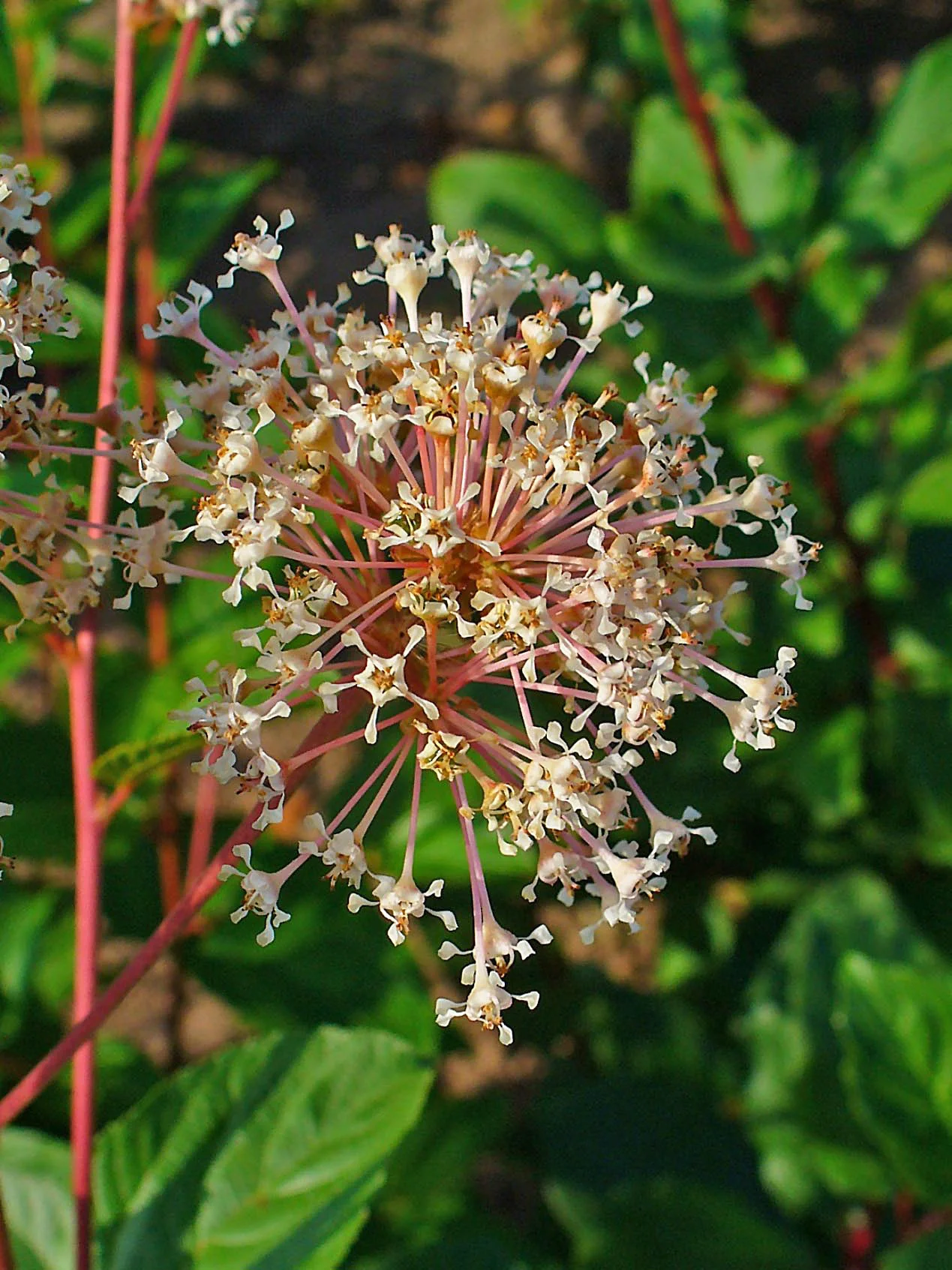
Ceanothus americanus is a deciduous shrub in the buckthorn family (Rhamnaceae), native to eastern North America from Ontario and Quebec down through Maine to Texas. It's a low, many-branched shrub — typically one to three-and-a-half feet tall — with clusters of small white flowers and a root system of fibrous surface roots over deeper, woody ones. Its common name comes from the deep red-brown bark of that root system, which is the part herbalists actually use.
The plant's other common name, New Jersey tea, dates to the Revolutionary War, when colonists brewed the dried leaves as a substitute for boycotted English tea. That's a different preparation from the medicinal use: the lymphatic and spleen tradition is built around the root bark, not the leaf, and the two shouldn't be conflated.
Why 19th-Century Herbalists Reached for Red Root
Red root's reputation was built in the Eclectic medical tradition of the 1800s, a school of American physicians who relied heavily on botanical remedies. Felter and Lloyd's 1898 King's American Dispensatory records that the root "was much used during the Civil War for malarial splenitis," listing it among the era's astringent and expectorant remedies. It even shows up in the formal medical literature of the period: an 1868 article titled "Ceanothus Americanus," by Dr. D. L. Phares, ran in the Atlanta Medical and Surgical Journal and is preserved today in the National Library of Medicine's archive.
Alongside the spleen association, 19th- and early-20th-century herbalists linked red root to stagnant lymph and swollen lymph nodes — the thread that connects it to lymphatic-support formulas today. Worth being precise about what that means: this is a documented historical and traditional use, not a claim that red root treats, cures, or prevents any medical condition. Nobody selling red root today — us included — can promise it will shrink a lymph node or fix a sluggish lymphatic system.
Why You Won't Find Red Root on Most Store Shelves
Search for red root today and the results are almost all small herbal apothecaries selling loose dried root or bulk tincture, not a single mainstream vitamin-aisle brand. Part of that comes down to supply. In the Lymphatic Drainage Drops formula, the red root is wild-harvested from a managed source rather than field-grown at commodity scale, which is typical of how this particular herb moves through the supply chain — unlike an easily cultivated plant such as calendula, it isn't something a farm can simply plant more of on demand.
The other reason is less about the plant and more about the label. Most red root products — the ones we read while researching this piece included — describe what the herb is traditionally for without saying how much of it is actually in the bottle. A formula that names its dose is the exception, not the rule.
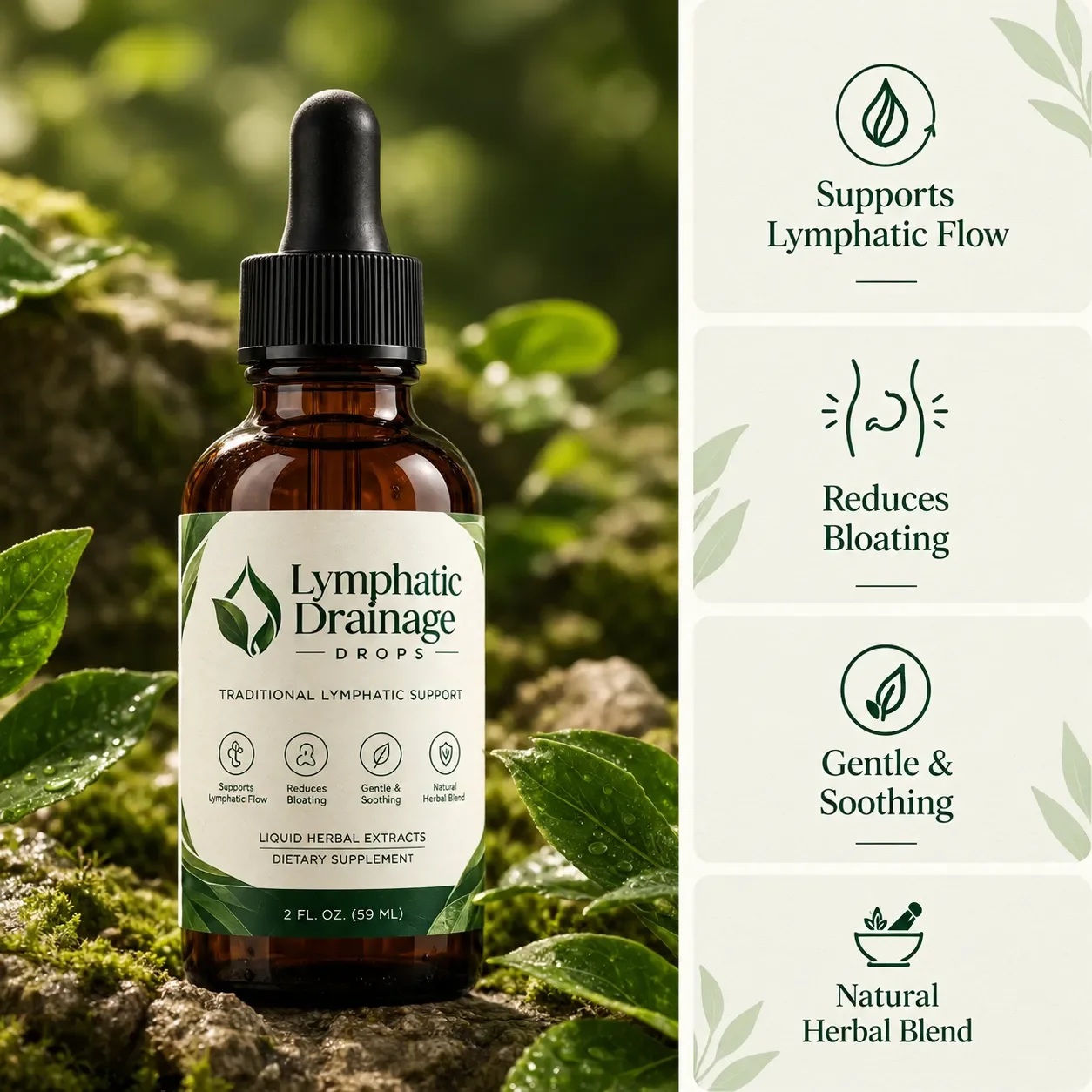
Lymphatic Drainage Drops lists 200 mg of red root per serving, extracted at a 1:3 ratio, alongside three other named herbs — cleavers, calendula, and prickly ash — with every milligram printed on the label instead of folded into a proprietary blend.
Red Root vs. Bloodroot: Don't Confuse Them
The names sound alike, and that's where the confusion starts. Red root (Ceanothus americanus) and bloodroot (Sanguinaria canadensis) are unrelated plants from different families, with very different safety profiles — mixing them up isn't a minor mistake.
| Category | Red root (Ceanothus americanus) | Bloodroot (Sanguinaria canadensis) |
|---|---|---|
| Plant family | Rhamnaceae (buckthorn) | Papaveraceae (poppy) |
| Part used | Root bark | Rhizome |
| Traditional use | Internal, spleen and lymphatic tonic tradition | External only, in specific traditional applications |
| General safety pattern | Widely described as suitable for internal use | Caustic; not a casual home remedy |
How Red Root Compares to the Other Herbs in a Lymphatic Formula
Red root rarely travels alone in a formula — it's typically paired with milder, more commonly cultivated herbs that round out the same tradition. In Lymphatic Drainage Drops, it sits alongside cleavers, calendula, and prickly ash: four herbs at four different doses, all printed on the label rather than hidden in a blend.
| Herb | Part used | Traditional character | Dose per serving |
|---|---|---|---|
| Cleavers | Aerial parts | Mild, cooling — the everyday herb of Western lymphatic tradition | 375 mg |
| Red root | Root bark | Astringent, tannin-rich — the more concentrated, spleen-associated herb | 200 mg (1:3 extract) |
| Calendula | Flowers | Soothing — a Western herbalism staple for glandular and tissue-support traditions | 150 mg |
| Prickly ash | Bark | Pungent, warming — traditionally added to Eclectic-era formulas as a carrier herb | 65 mg |
That's 790 mg of herb per serving, taken twice a day for 1,580 mg total — a detail that matters mostly because so few red-root products disclose it at all.
How Red Root Is Traditionally Prepared
Historical texts describe red root prepared as a strong decoction — root simmered in water — or as a tincture made from the root bark or leaves. King's American Dispensatory lists a decoction dose of about a tablespoon, three or four times a day, and a leaf tincture dosed by the half-fluid-ounce, three times daily — figures from an 1898 medical text, not a recommendation for how to dose yourself today.
Modern herbal suppliers lean toward tinctures for a practical reason: the tannins that make red root astringent don't hold up well as a simple dried tea, and alcohol extraction pulls more of the root's compounds into a stable, measurable form. That's also why the herb tends to show up as a liquid extract rather than a capsule or powder.
Who Should Be Cautious With Red Root
Herbal references are consistent on one caution: red root has traditionally been associated with effects on blood clotting, so multiple sources advise against combining it with blood-thinning medication. Tannins can also be constipating for some people, particularly with prolonged use.
If you're taking any medication, are pregnant or breastfeeding, are under 18, or manage a diagnosed health condition, talk to a healthcare provider before adding red root — or any herbal tincture — to your routine. None of this is a substitute for medical advice, and nothing here is meant to diagnose, treat, cure, or prevent any disease.
More herb-by-herb breakdowns like this one live on the Lymphatic Drainage Drops blog.
Frequently asked questions
What is red root (Ceanothus americanus) traditionally used for?
Red root, also called New Jersey tea, is a shrub native to eastern North America whose root bark has a long history in Western herbalism. Nineteenth-century American physicians used it as a tonic associated with the spleen and lymphatic system, and it remains a staple in traditional lymphatic-support formulas today. These are historical and traditional uses, not medical claims about treating any condition.
Is red root the same thing as bloodroot?
No. Red root (Ceanothus americanus) and bloodroot (Sanguinaria canadensis) are unrelated plants from different families with very different safety profiles. Bloodroot is a caustic plant traditionally used only externally and with caution, while red root has a long history of internal use in Western herbal tradition. Mixing up the two names is a common but important error to avoid.
Why is red root hard to find on store shelves?
Unlike widely farmed herbs such as calendula or echinacea, most red root sold today comes from small herbal apothecaries rather than mainstream supplement brands, and much of the supply is wild-harvested rather than field-cultivated. That makes consistent sourcing harder and is a big part of why you'll rarely see it as a standalone ingredient at a typical store.
How was red root traditionally prepared?
Historical texts like the 1898 King's American Dispensatory describe red root prepared as a strong decoction of the root, or as a tincture made from the root bark or leaves. Modern herbal suppliers most often offer it as a liquid tincture, since the tannin-rich root doesn't hold up as well as a simple dried tea.
Can red root be taken with blood-thinning medication?
Multiple herbal references caution against combining red root with anticoagulant or blood-thinning medication, since red root has traditionally been associated with effects on blood clotting. Anyone on blood thinners, pregnant or nursing, under 18, or managing a diagnosed condition should talk to a healthcare provider before using it.
How does red root compare to other traditional lymphatic herbs like cleavers?
Cleavers and red root are both staples of Western lymphatic herbalism but come from unrelated plant families and traditionally play different roles: cleavers is a mild, cooling herb historically used in larger amounts, while red root's tannin-rich root bark comes from a more concentrated, astringent tradition. Formulas often combine several such herbs, such as cleavers, red root, calendula, and prickly ash, rather than relying on just one.
References