
Does Rebounding Actually Help Lymphatic Drainage? What the Evidence Says
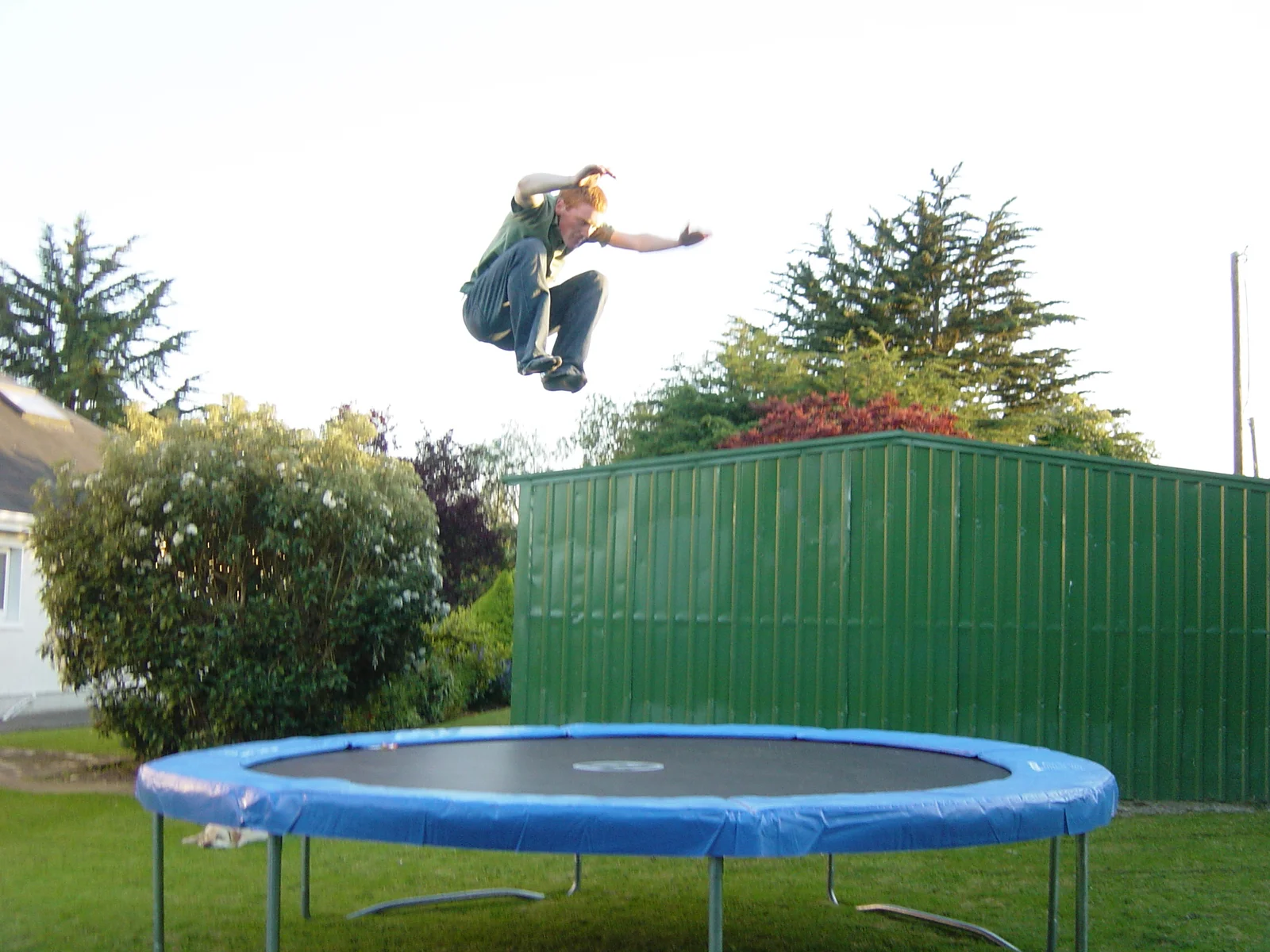
Key takeaways
- The lymph-moving mechanism behind rebounding — muscle contraction acting as a pump — is real physiology, consistent across PT and equipment-brand sources.
- Specific claims like "flushes your system in 2 minutes" trace to three Linda Brooks wellness books from 2002–2006, not clinical trials.
- A gradual progression (1–2 minutes daily, building to 10–15 minutes 3–5x weekly) is safer than starting at full intensity.
- Pregnancy, balance disorders, osteoporosis with fracture risk, recent joint/spinal surgery, and early postpartum all warrant medical clearance first — a caution almost no rebounder marketing page mentions.
Rebounding — bouncing on a mini-trampoline — has a real, physically plausible mechanism for moving lymph: muscle contraction is the only pump the lymphatic system has. What's less solid is the specific claim, repeated across nearly every rebounder brand's website, that two minutes "flushes" the entire system.
That claim traces back to a wellness author's books from the early 2000s, not a clinical trial. The mechanism is real; the two-minute number isn't something anyone has measured.
How Rebounding Is Supposed to Move Lymph
The explanation is consistent across rebounder brands and physical therapists alike, including a lymphedema-certified physical therapist's exercise guide: as you push upward, tiny one-way valves throughout the lymphatic vessels open. As you land and decelerate, gravity and the change in pressure force them closed, pushing lymph fluid forward. Repeated at a bouncing cadence, this creates a kind of internal massage on vessels you can't reach with your hands — which is the same basic logic behind why any rhythmic movement (walking, swimming) supports lymph flow, just with more vertical repetitions per minute. The same PT guide ranks water exercise a close second for exactly this reason: buoyancy plus resistance triggers a similar pumping action without the impact.
What's a Popular Claim vs. What's Actually Studied
Trace the specific numbers back far enough and most of them land in the same place: three books by wellness author Linda Brooks — Rebounding and Your Immune System (2003), Cancer – A Simple Approach (2002), and Rebounding to Better Health (2006) — are the source cited, directly or indirectly, across most rebounder equipment sites for claims like "two minutes flushes your entire system" and "68% more efficient than running." Those books aren't peer-reviewed research, and re-citing them across a dozen product pages doesn't turn them into a clinical trial. That doesn't make the underlying idea wrong — it makes the specific numbers unverified rather than false.
We sorted the evidence quality on lymphatic habits generally here — the short version for rebounding specifically is that the mechanism (muscle contraction as pump) is well established physiology, one vibration study has measured a real effect on superficial lymphatic vessels, and the specific timing claims are popular rather than clinical.
What rebounding does have going for it, independent of the disputed numbers: it's genuinely low-impact compared to running, since the mat absorbs a large share of the landing force before it reaches your joints, and a session fits in a living room. For someone who dislikes conventional cardio or finds walking outdoors inconvenient in bad weather, that accessibility is a real, if unglamorous, advantage — arguably a better reason to try it than any of the disputed percentages.
How to Start
| Stage | Duration | Frequency |
|---|---|---|
| Week 1–2 | 1–2 minutes, gentle bounce (feet stay near the mat) | 1–2x daily |
| Week 3–4 | 5–10 minutes | 3–5x weekly |
| Ongoing | 10–15 minutes or more, as tolerated | 3–5x weekly |
Starting small isn't just caution for its own sake — a sudden jump to 15 minutes of higher bouncing puts more repeated load on joints and inner-ear balance than most people's bodies are ready for on day one. It's the same gradual-adoption logic behind easing into dry brushing rather than starting with heavy pressure on day one — a new habit lasts longer when the first week doesn't hurt.

Who Should Check with a Doctor First
Here's what almost none of the rebounder marketing pages mention: who shouldn't start without medical clearance. The general caution list for any repeated vertical-impact exercise applies — pregnancy, a balance disorder or history of vertigo, osteoporosis significant enough that your doctor has already flagged fracture risk, a recent joint replacement or spinal surgery, and postpartum pelvic floor concerns are all reasons to get a yes from a doctor or physical therapist before adding rebounding, not after. None of that means rebounding is unusually dangerous — it means it's still impact exercise, and the marketing around it tends to undersell that it's exercise at all.
Rebounding for Lymphatic Drainage: Frequently Asked Questions
Does rebounding actually help lymphatic drainage?
The mechanism is real — muscle contraction from bouncing helps move lymph, since the system has no pump of its own. Specific claims like "flushes your system in two minutes" come from wellness books, not clinical studies, so treat the mechanism as plausible and the exact numbers as unverified.
How long should I rebound each day to see benefits?
Most guidance suggests building from 1–2 minutes to 10–15 minutes, three to five times a week. There's no clinically established minimum specific to lymphatic effects — this range comes from general rebounding and fitness guidance.
Is rebounding safe for everyone?
No. Anyone who is pregnant, has a balance disorder, has osteoporosis with fracture risk, had a recent joint or spinal surgery, or is in the early postpartum period should get medical clearance first. It's still impact exercise.
Is rebounding better than walking for lymphatic support?
Neither is clinically proven "better" for lymph flow specifically. Rebounding packs more vertical repetitions into less time; walking is lower-impact and easier to sustain for longer. Both work through the same basic mechanism — muscle contraction moving fluid.
Can I use a rebounder if I have lymphedema?
Talk to your certified lymphedema therapist first. Rebounding isn't a standard lymphedema treatment, and a diagnosed condition needs guidance from the professional managing it, not a general fitness routine.
Frequently asked questions
Does rebounding actually help lymphatic drainage?
The mechanism is real — muscle contraction from bouncing helps move lymph, since the system has no pump of its own. Specific claims like "flushes your system in two minutes" come from wellness books, not clinical studies, so treat the mechanism as plausible and the exact numbers as unverified.
How long should I rebound each day to see benefits?
Most guidance suggests building from 1–2 minutes to 10–15 minutes, three to five times a week. There's no clinically established minimum specific to lymphatic effects — this range comes from general rebounding and fitness guidance.
Is rebounding safe for everyone?
No. Anyone who is pregnant, has a balance disorder, has osteoporosis with fracture risk, had a recent joint or spinal surgery, or is in the early postpartum period should get medical clearance first. It's still impact exercise.
Is rebounding better than walking for lymphatic support?
Neither is clinically proven "better" for lymph flow specifically. Rebounding packs more vertical repetitions into less time; walking is lower-impact and easier to sustain for longer. Both work through the same basic mechanism — muscle contraction moving fluid.
Can I use a rebounder if I have lymphedema?
Talk to your certified lymphedema therapist first. Rebounding isn't a standard lymphedema treatment, and a diagnosed condition needs guidance from the professional managing it, not a general fitness routine.