Cleavers (Galium Aparine): The Herb That Does the Most Work in the Formula
Key takeaways
- Cleavers is the highest-dosed herb in most lymphatic formulas, including ours at 375 mg/day of fresh 1:2 extract.
- Traditional dosing references disagree with each other — 12–24 mL vs. 30–60 drops of tincture per day — because tincture strength varies by ratio and freshness.
- Lab research shows immune and antioxidant activity in extracted compounds, but no published human trial tests cleavers specifically for lymphatic drainage.
- A lymph node that's hard, fixed, painless and growing, or swollen beyond a few weeks needs a doctor, not a stronger herb dose.
Cleavers (Galium aparine) is the herb Western herbalists reach for first when the goal is lymphatic support — it's used as a lymphatic tonic to help move stagnant lymph and ease swollen glands after illness. It's also the highest-dosed herb in most lymphatic formulas, ours included, at 375 mg a day.
What's harder to find is a straight answer on how much of it that actually is once you leave the supplement aisle — folk dosing runs from a few milliliters of fresh juice to sixty drops of tincture, and the ranges don't agree with each other.
What Is Cleavers (Galium aparine)?
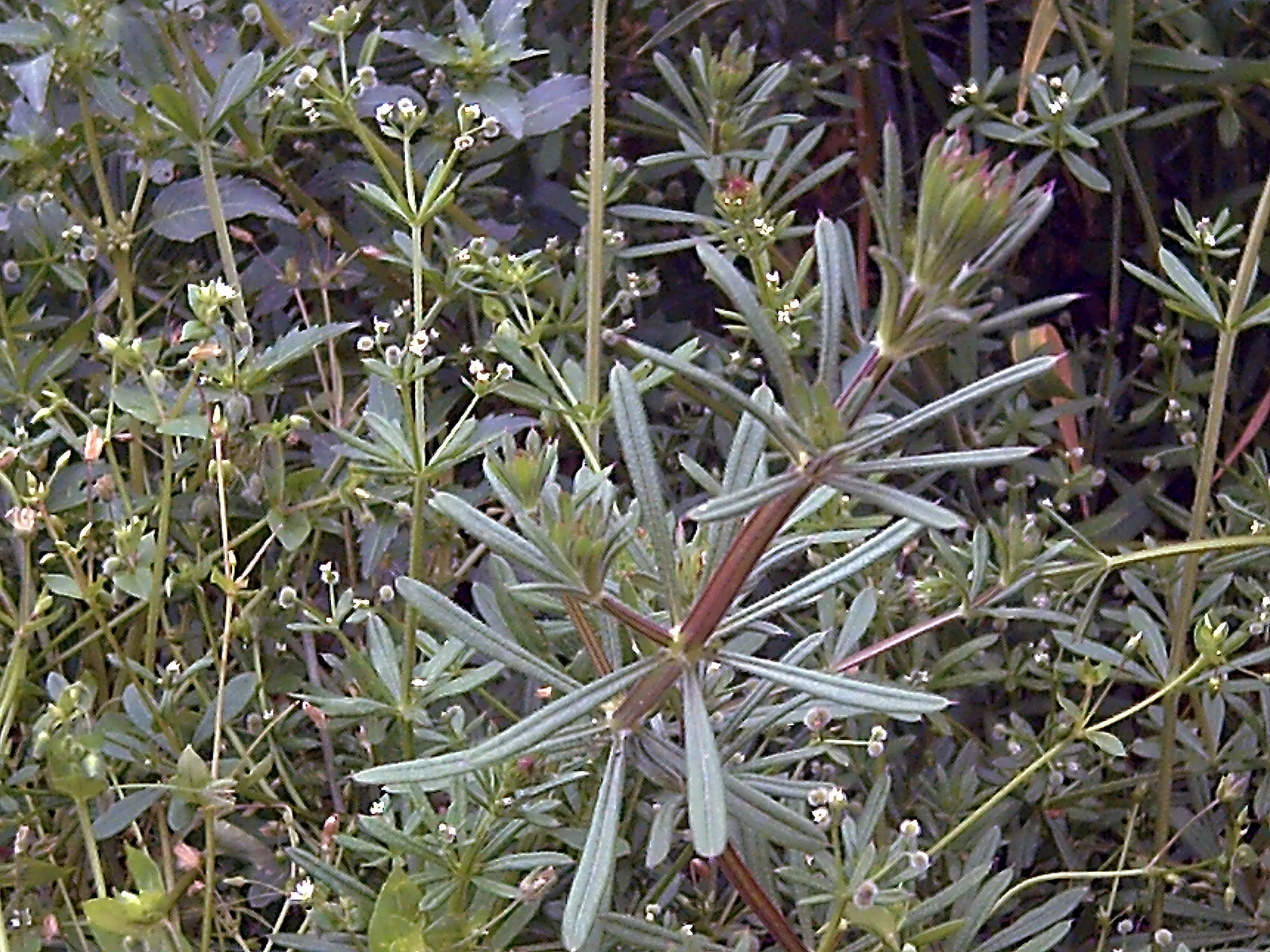
Cleavers is a climbing, sticky-textured annual — also called goosegrass, bedstraw, or catchweed — that grows wild across Europe, North America, and Asia. Herbalists have used it as a lymphatic and depurative herb for generations, and it's traditionally paired with calendula in formulas aimed at lymph flow and skin clarity together, which is exactly the pairing our own formula uses. It's tinctured fresh, while still green, since cleavers is one of the herbs herbalists say loses potency quickly once it dries — the same reason a homemade tincture needs the right alcohol percentage to actually capture it.
What the Research Actually Shows
Most of what's published on cleavers is traditional-use documentation, not clinical trials — worth saying plainly before citing any of it. A handful of lab studies exist: one on ethanolic extracts of Galium aparine found immune cell stimulation in vitro, a separate antioxidant study measured meaningful antioxidant and immunostimulatory activity in extracted compounds, and a third looked at the extract's effect on breast cancer cell lines, finding it selectively cytotoxic to cancer cells while sparing healthy ones in a lab setting. None of these are human trials, and in-vitro cytotoxicity against cancer cells in a dish is not evidence that a tincture treats cancer — it's a starting point for further research, not a reason to use cleavers as a treatment for anything serious.
How Much Cleavers Do You Actually Take?
Herbal references don't fully agree, which is worth knowing before you assume any single number is "the" dose. Herbal Reality's practitioner monograph and a detailed foraging and preparation guide gave us the ranges below, and they don't fully match each other.
| Preparation | Typical range | Frequency |
|---|---|---|
| Fresh juice (succus) | 3–15 mL | Up to 3x daily |
| Tincture (1:5, 25%) | 12–24 mL | Daily total |
| Tincture (drops) | 30–60 drops | Up to 3x daily |
| Dried infusion | 2–4 g dried herb | Up to 3x daily |
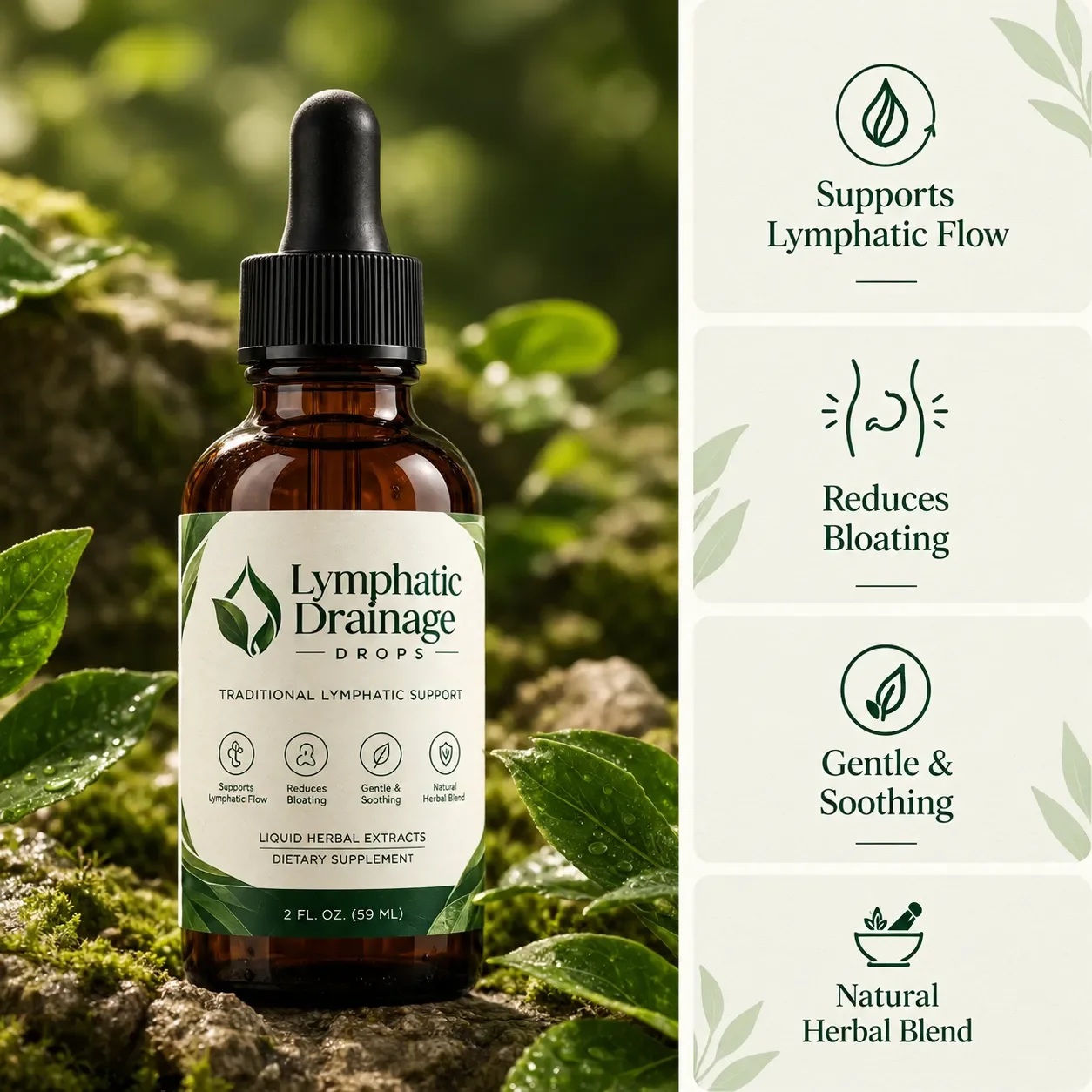
Notice the tincture row alone has two different traditional answers, in two different units, from two different herbal references — 12 to 24 mL a day against 30 to 60 drops up to three times daily. That's not a contradiction so much as a reminder that "cleavers tincture" isn't one standardized thing; strength depends on the herb-to-alcohol ratio, whether it's made fresh or dried, and how concentrated the finished extract is. Our own formula sidesteps the guesswork by printing the herb weight directly: 375 mg of fresh 1:2 cleavers extract per day, the same amount every bottle.
How to Use Cleavers
- Fresh cold infusion: chop or bruise a handful of fresh cleavers, cover with cool water, and let it infuse several hours or overnight.
- Fresh juice (succus): blend fresh cleavers with a small amount of water and strain.
- Tincture: made from fresh plant material where possible, since drying reduces potency.
- Dried tea: works, but needs a longer steep than a typical herbal tea to compensate for the herb having already lost some strength in drying.
- Topical: a cooled infusion applied as a compress for irritated skin, used externally rather than taken by mouth.
Who Should Be Careful with Cleavers
Cleavers has a real diuretic effect, so it interacts with the category of things that already manage fluid balance: diuretic medications, blood pressure medications, and diabetes medications. Anyone with kidney disease, heart conditions, or low blood pressure should talk to a doctor before regular use, and the safety data on pregnancy and breastfeeding is thin enough that most herbal references simply recommend avoiding medicinal doses in either case unless a qualified practitioner is involved.
One caution matters more than the others: cleavers is a support herb for mild, ordinary lymphatic sluggishness, not a treatment for a lymph node that's new, hard, fixed in place, growing, or persistent beyond a few weeks. That pattern needs a medical evaluation, not a stronger dose of any herb — and if you want the fuller picture of what actually moves lymph day to day, we cover the rest of the routine here.
Cleavers: Frequently Asked Questions
What is cleavers used for?
Traditionally, lymphatic support, mild diuretic action for fluid retention, and topical use for irritated or inflamed skin. It's one of the most consistently recommended herbs across Western herbal medicine for lymph flow specifically.
Why is cleavers used fresh instead of dried?
Herbalists consider it one of the herbs that loses potency fastest once dried, which is why fresh-tinctured cleavers — tinctured the same day it's harvested, while still green — is considered stronger than a tincture made from dried material.
How much cleavers should I take?
Traditional ranges vary by preparation: 3–15 mL of fresh juice up to three times daily, 12–24 mL of a 1:5 tincture, or 30–60 drops of tincture up to three times daily, depending on which reference you follow. A labeled product with a fixed milligram dose removes the guesswork.
Is cleavers safe with medication?
Not automatically. Because it has a real diuretic effect, it can interact with diuretics, blood pressure medication, and diabetes medication. Check with a doctor before regular use if you're on any of those.
Can cleavers help with swollen lymph nodes?
It's traditionally used for mild, ordinary swelling tied to sluggish lymph flow or recent illness. A lymph node that's hard, fixed, painless and growing, or swollen for more than a few weeks needs a doctor's evaluation — not a home remedy.
Does research support cleavers for the lymphatic system?
Mostly not clinically. What exists is lab research on immune and antioxidant activity in extracted compounds, plus centuries of traditional herbal use. There's no published human trial specifically testing cleavers for lymphatic drainage.
Frequently asked questions
What is cleavers used for?
Traditionally, lymphatic support, mild diuretic action for fluid retention, and topical use for irritated or inflamed skin. It's one of the most consistently recommended herbs across Western herbal medicine for lymph flow specifically.
Why is cleavers used fresh instead of dried?
Herbalists consider it one of the herbs that loses potency fastest once dried, which is why fresh-tinctured cleavers — tinctured the same day it's harvested, while still green — is considered stronger than a tincture made from dried material.
How much cleavers should I take?
Traditional ranges vary by preparation: 3–15 mL of fresh juice up to three times daily, 12–24 mL of a 1:5 tincture, or 30–60 drops of tincture up to three times daily, depending on which reference you follow. A labeled product with a fixed milligram dose removes the guesswork.
Is cleavers safe with medication?
Not automatically. Because it has a real diuretic effect, it can interact with diuretics, blood pressure medication, and diabetes medication. Check with a doctor before regular use if you're on any of those.
Can cleavers help with swollen lymph nodes?
It's traditionally used for mild, ordinary swelling tied to sluggish lymph flow or recent illness. A lymph node that's hard, fixed, painless and growing, or swollen for more than a few weeks needs a doctor's evaluation — not a home remedy.
Does research support cleavers for the lymphatic system?
Mostly not clinically. What exists is lab research on immune and antioxidant activity in extracted compounds, plus centuries of traditional herbal use. There's no published human trial specifically testing cleavers for lymphatic drainage.