The Four Herbs in Lymphatic Drainage Drops (and the Two We Left Out)
Key takeaways
- Lymphatic Drainage Drops contains four herbs — cleavers, red root, calendula, and prickly ash — totaling 1,580 mg per day, with every milligram printed on the label.
- Cleavers (375 mg) is the largest dose, tinctured fresh rather than dried to preserve potency.
- Stillingia root was left out because its diterpene esters are documented gastrointestinal irritants.
- Red clover was left out because its isoflavones have genuine estrogenic activity, per Memorial Sloan Kettering and the NCCIH.
- The tincture is not vegan (raw wild honey) and not alcohol-free (40–45% ABV cane alcohol, about 1.8 mL/day).
- One bottle (120 mL, 60 servings) is a 30-day supply at two drop-servings per day.
What Are the Ingredients in Lymphatic Drainage Drops?
Lymphatic Drainage Drops pack four herbal extracts — cleavers, red root, calendula, and prickly ash — into 1,580 mg of herb per day, taken as drops twice daily in a base of organic cane alcohol, purified water, and raw wild honey.
Every milligram of every herb is printed on the label. Two herbs that show up in most traditional lymphatic formulas — stillingia root and red clover — were left out on purpose, and the reasons are below.
The supplement facts panel breaks down like this:
| Herb | Species / part used | Amount | Extract form |
|---|---|---|---|
| Cleavers | Galium aparine, fresh aerial parts | 375 mg | Fresh 1:2 extract, tinctured while still green |
| Red Root | Ceanothus americanus, root bark | 200 mg | 1:3 extract, wild-harvested |
| Calendula | Calendula officinalis, flower | 150 mg | 1:3 extract |
| Prickly Ash | Zanthoxylum clava-herculis, bark | 65 mg | 1:3 extract |
| Total | 1,580 mg | Base: organic cane alcohol (40–45% ABV), purified water, raw wild honey |
No blend name hides that split, and no line on the label just says "proprietary complex." Four herbs, four numbers, printed exactly as formulated.
Why Four Herbs, Not Seven or Eleven?
A dropper bottle only holds so much liquid, and every herb added to a formula has to share that space with the ones already there. Add more names to the label and the total volume stays roughly fixed while each individual herb's dose shrinks. Store shelves are full of "7-in-1," "11-in-1," even "18-in-1" lymphatic drop formulas, built on exactly that math — more herbs, thinner slices of each.
Plenty of multi-herb lymphatic formulas solve the disclosure problem by not disclosing it: the label lists a single "proprietary blend" total instead of breaking out each herb by weight. That is not a small detail. It means there is no way to know whether any one ingredient in the mix is present at a dose herbal tradition would recognize as doing something, or just enough to earn a spot in the name.
Lymphatic Drainage Drops takes the opposite approach: four herbs, each dosed individually and printed on the label, at amounts big enough that none of them is along for the ride.
The Four Herbs, One by One
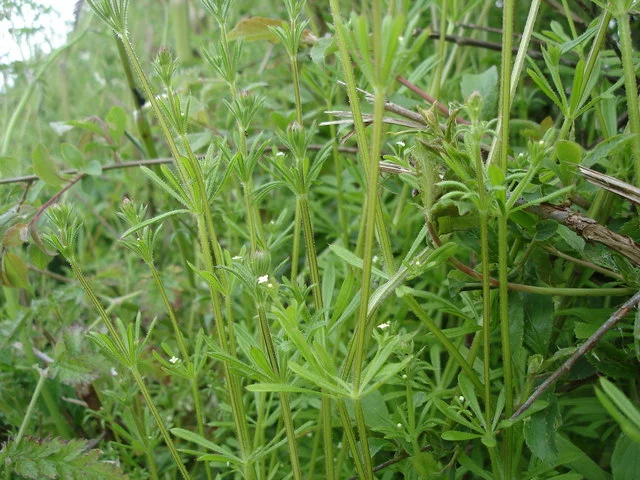
Cleavers (Galium aparine), 375 mg. The largest dose in the formula, and the one Western herbalists reach for first when lymphatic support is the goal. Cleavers has been used as a lymphatic tonic in European and North American herbal tradition for generations, often paired with calendula in formulas aimed at lymph flow and skin clarity together. This formula tinctures it fresh, while the plant is still green rather than dried, since cleavers is one of the herbs herbalists say loses potency quickly once it dries out.
Red Root (Ceanothus americanus), 200 mg. Wild-harvested root bark, extracted at a 1:3 ratio. Red root has a long history in 19th-century American Eclectic herbalism as one of the more targeted lymphatic herbs in Western practice — and one of the less commonly stocked ones, since the shrub's roots take years to mature enough to harvest.
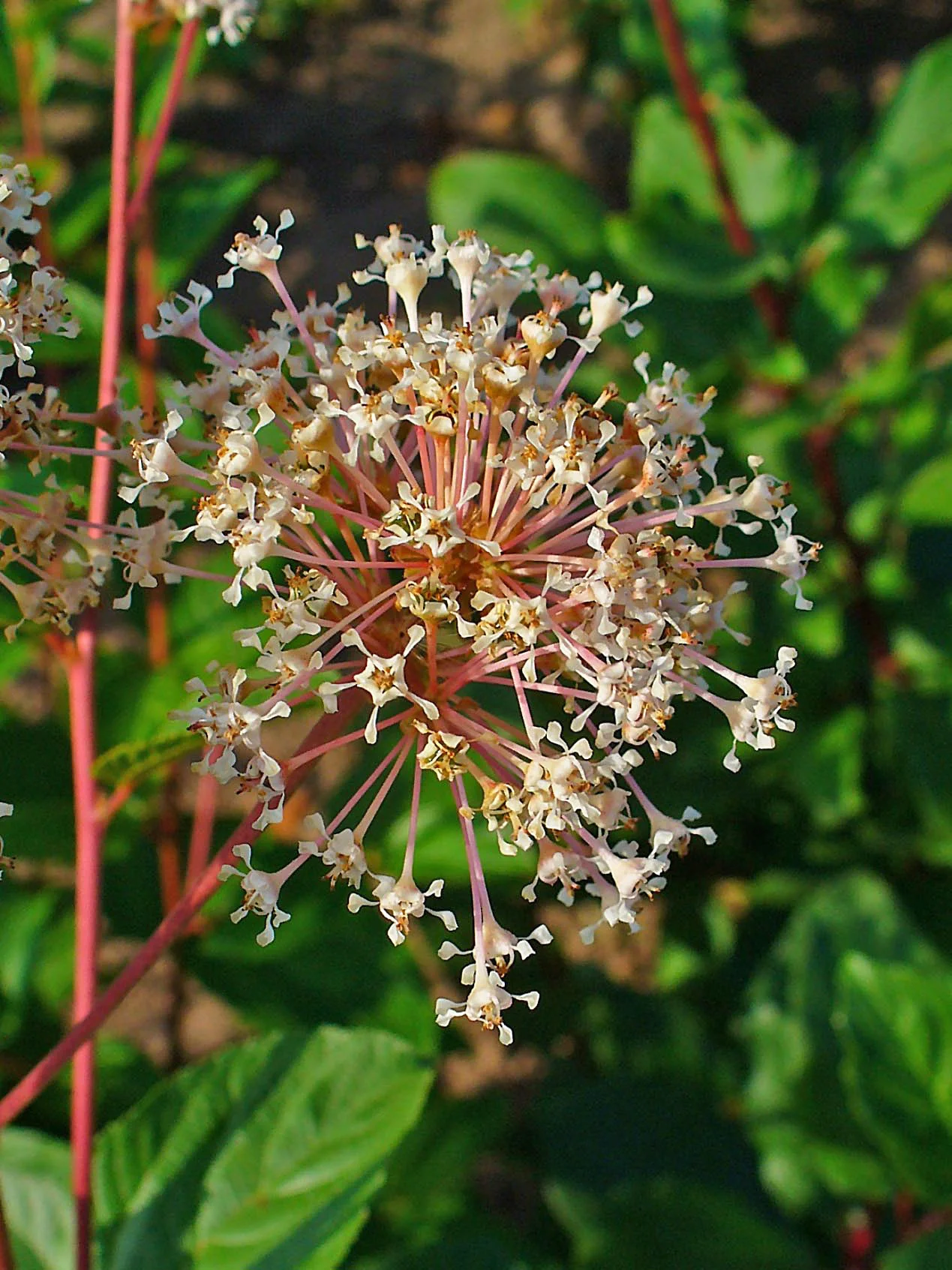
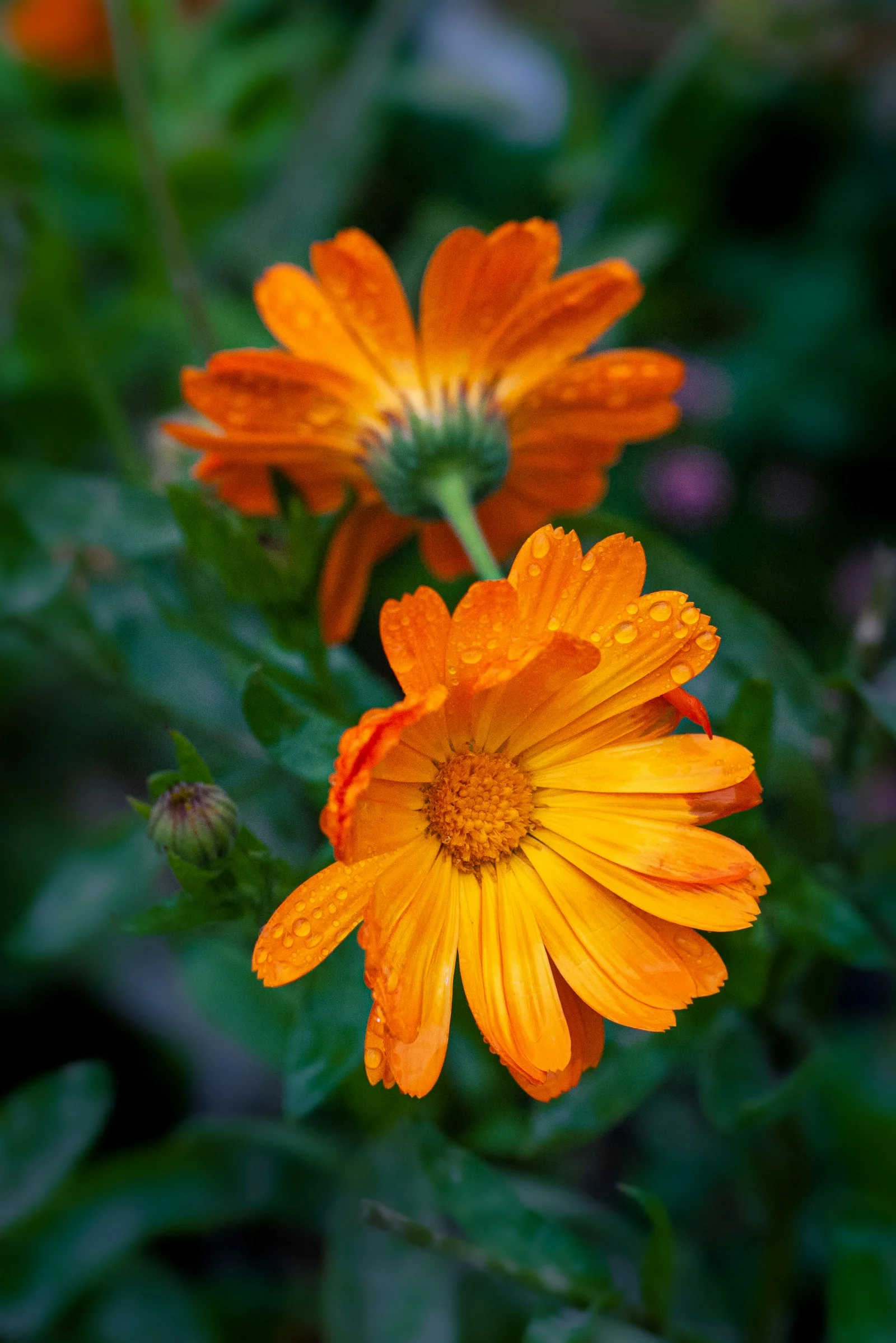
Calendula (Calendula officinalis), 150 mg. Flower extract, included for its traditional role supporting skin and tissue health alongside lymphatic flow. It is a gentler herb than the other three, which is part of why it sits in the middle of the dose range rather than at the top.
Prickly Ash (Zanthoxylum clava-herculis), 65 mg. The smallest dose in the bottle, and deliberately so. Prickly ash bark is the one herbalists traditionally reach for to encourage blood flow toward peripheral tissue — a warming circulatory stimulant in North American herbal practice. But it is a synergist here, not a headline herb, and larger doses of prickly ash are associated with stomach discomfort. Sixty-five milligrams is the traditional synergist amount: enough to do its part without crossing into the dose range that causes that.
The Two Herbs We Left Out — Stillingia Root and Red Clover
Stillingia root shows up in classic Western herbal blood-and-lymph formulas going back to 19th-century Eclectic medicine, often alongside red clover and burdock. It did not make it into this bottle.
The reason is chemical, not traditional. Stillingia contains diterpene esters, compounds that Memorial Sloan Kettering Cancer Center documents as toxic irritants capable of causing gastrointestinal inflammation, nausea, and loose stools. Those effects show up more with fresh root than dried, but the risk does not disappear with processing — it is dose-dependent. For a tincture meant to be taken every single day, that is a bad trade: the formula does not need an herb that comes with a documented chance of an upset stomach to do its job.
Red clover is even more common in this category — it turns up in most of the multi-herb lymphatic blends sold today. It also contains isoflavones with genuine estrogenic activity. Memorial Sloan Kettering's herb monograph notes that red clover can act as an estrogen agonist and specifically advises patients with hormone-sensitive conditions to avoid it, and the National Center for Complementary and Integrative Health flags it as unsafe during pregnancy and breastfeeding and recommends anyone on regular medication talk to a provider before using it.
None of that makes red clover dangerous for everyone. It makes it an herb that deserves a one-on-one conversation with a doctor before it goes into a daily supplement, not a default line on an ingredient list. This formula was not going to include something with real hormonal activity just to hit a bigger number on the label, so it stayed out.
How to Take the Drops (and Who Should Check With a Doctor First)
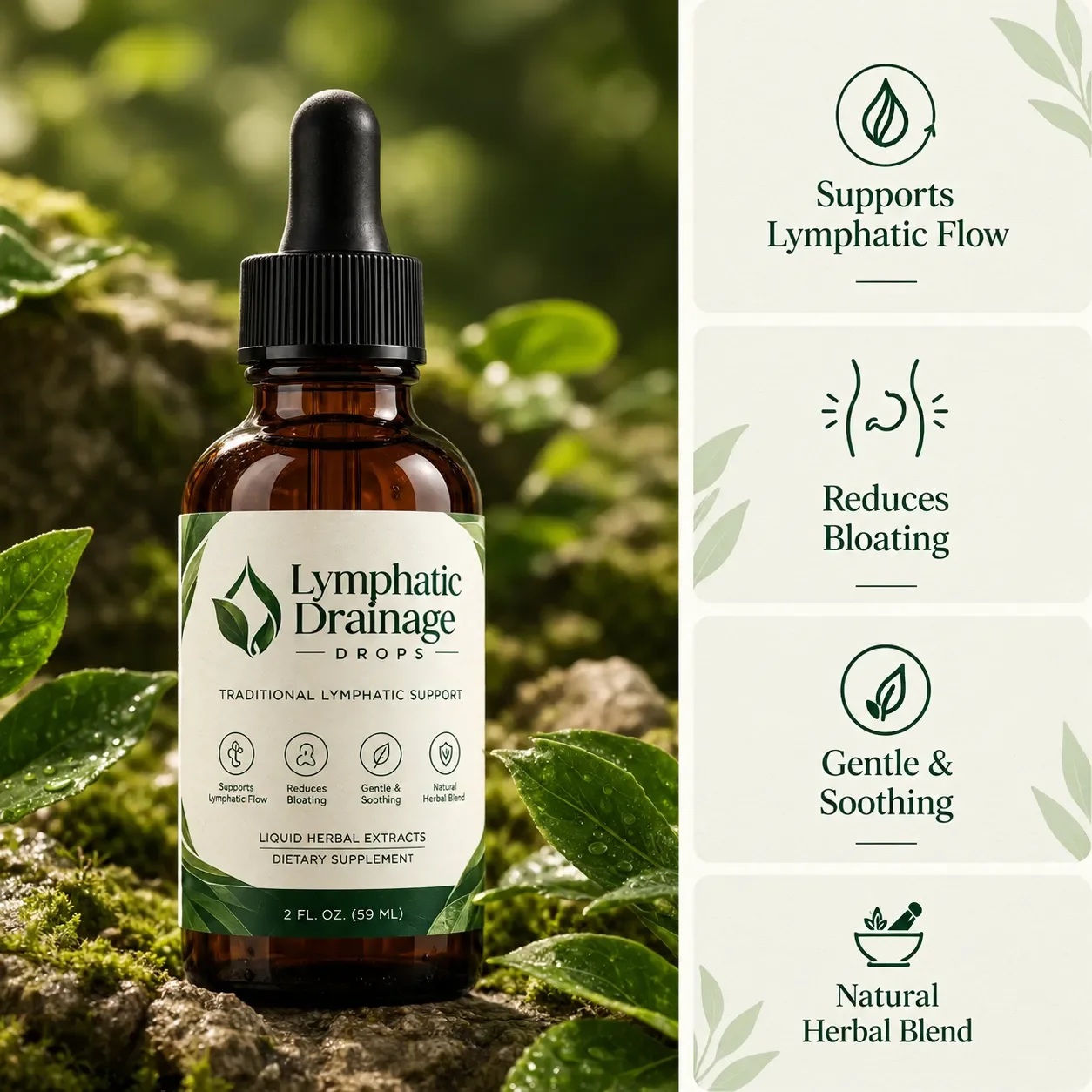
Lymphatic Drainage Drops are taken as drops, twice a day. A 120 mL bottle holds 60 servings, which works out to a 30-day supply at that pace.
Two things worth saying plainly, since plenty of shoppers assume otherwise: this tincture is not vegan, and it is not alcohol-free. The base is raw wild honey, organic cane alcohol at 40–45% ABV, and purified water — a full day's dose carries roughly 1.8 mL of alcohol. Herbalists have used honey-and-alcohol bases for tinctures like this one for centuries because they preserve the plant extract. It is a trade-off, not an oversight, and worth knowing before the bottle arrives rather than after.
Traditional herbal use is not a substitute for medical advice. Anyone who is pregnant or breastfeeding, under 18, taking medication — especially blood thinners — or managing a diagnosed medical condition should talk to a healthcare provider before starting Lymphatic Drainage Drops or any herbal tincture. That goes for the four herbs in this formula as much as the two that were left out of it.
If the bottle does not work out, the return policy is straightforward: 30 days, opened bottle accepted, no return shipping cost.
Lymphatic Drainage Drops Ingredients: Frequently Asked Questions
What are the ingredients in Lymphatic Drainage Drops?
Four herbal extracts: cleavers (375 mg), red root (200 mg), calendula (150 mg), and prickly ash (65 mg), for 1,580 mg of herb per day. The base is organic cane alcohol, purified water, and raw wild honey.
Does Lymphatic Drainage Drops disclose the exact dose of each herb?
Yes. Every herb's milligram amount is printed on the supplement facts panel. There is no proprietary blend line hiding how much of any single herb is actually in the bottle.
Is Lymphatic Drainage Drops vegan or alcohol-free?
No to both. The base includes raw wild honey, which is not vegan, and organic cane alcohol at 40–45% ABV, which means the product is not alcohol-free. A full day's dose carries about 1.8 mL of alcohol.
Why doesn't the formula include stillingia root?
Stillingia root contains diterpene esters, compounds documented by Memorial Sloan Kettering Cancer Center as gastrointestinal irritants that can cause nausea and loose stools. For a tincture taken daily, that risk was not worth adding an herb the other four already cover the ground for.
Why doesn't the formula include red clover?
Red clover contains isoflavones with genuine estrogenic activity. Both Memorial Sloan Kettering Cancer Center and the NCCIH advise caution for anyone with a hormone-sensitive condition or who is pregnant or breastfeeding. That is a conversation for a doctor, not a default line item on an ingredient label.
How long does one bottle of Lymphatic Drainage Drops last?
A 120 mL bottle contains 60 servings. Taken as directed, as drops twice daily, that is a 30-day supply.
Who should talk to a doctor before taking Lymphatic Drainage Drops?
Anyone who is pregnant or breastfeeding, under 18, taking medication (especially anticoagulants), or managing a diagnosed medical condition should check with a healthcare provider before starting this or any herbal tincture.
Frequently asked questions
What are the ingredients in Lymphatic Drainage Drops?
Four herbal extracts: cleavers (375 mg), red root (200 mg), calendula (150 mg), and prickly ash (65 mg), for 1,580 mg of herb per day. The base is organic cane alcohol, purified water, and raw wild honey.
Does Lymphatic Drainage Drops disclose the exact dose of each herb?
Yes. Every herb's milligram amount is printed on the supplement facts panel. There is no proprietary blend line hiding how much of any single herb is actually in the bottle.
Is Lymphatic Drainage Drops vegan or alcohol-free?
No to both. The base includes raw wild honey, which is not vegan, and organic cane alcohol at 40–45% ABV, which means the product is not alcohol-free. A full day's dose carries about 1.8 mL of alcohol.
Why doesn't the formula include stillingia root?
Stillingia root contains diterpene esters, compounds documented by Memorial Sloan Kettering Cancer Center as gastrointestinal irritants that can cause nausea and loose stools. For a tincture taken daily, that risk was not worth adding an herb the other four already cover the ground for.
Why doesn't the formula include red clover?
Red clover contains isoflavones with genuine estrogenic activity. Both Memorial Sloan Kettering Cancer Center and the NCCIH advise caution for anyone with a hormone-sensitive condition or who is pregnant or breastfeeding. That is a conversation for a doctor, not a default line item on an ingredient label.
How long does one bottle of Lymphatic Drainage Drops last?
A 120 mL bottle contains 60 servings. Taken as directed, as drops twice daily, that is a 30-day supply.
Who should talk to a doctor before taking Lymphatic Drainage Drops?
Anyone who is pregnant or breastfeeding, under 18, taking medication (especially anticoagulants), or managing a diagnosed medical condition should check with a healthcare provider before starting this or any herbal tincture.