
Lymphatic Detox: What Actually Works (and What's Just Marketing)
Key takeaways
- A widely cited "7 ways to detox" list itself admits only 2 of its 7 methods have any cited research behind them.
- The methods with a real mechanism — movement, breathing, rebounding — are mechanical, not chemical; nothing swallowed "flushes" the lymphatic system in days.
- Red root, used in some lymphatic formulas, has a mild blood-thickening effect and warrants caution with cardiovascular history or blood thinners.
- Temporary sluggishness and lymphedema are different things — lymphedema needs a certified therapist and physician, not a home routine.
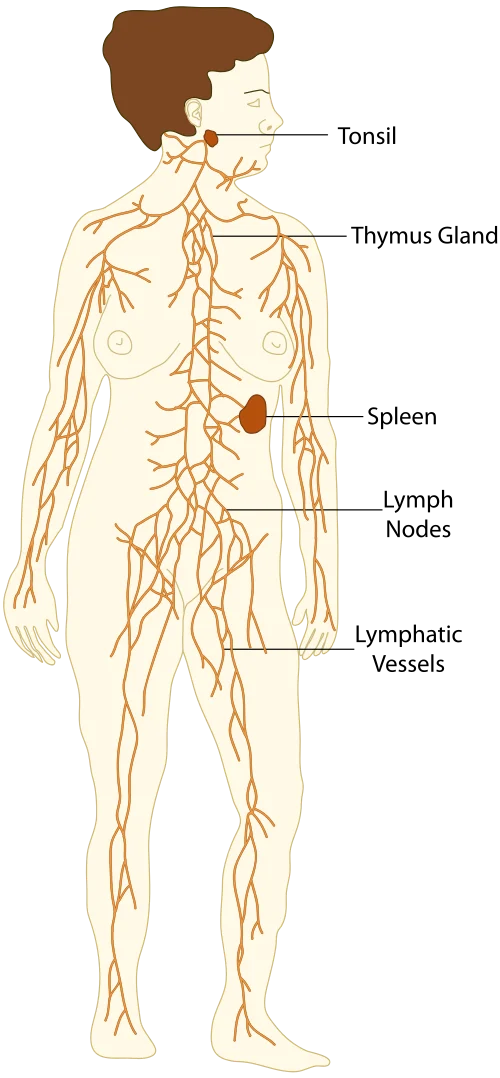
No, not in the way "detox" gets marketed — your lymphatic system already filters waste continuously and doesn't get chemically backed up the way a clogged drain does. What you can actually do is support how efficiently it moves, through habits with real mechanisms behind them and a few with almost none.
That distinction gets lost in most articles on the topic, including ones written by people who should know better.
What "Lymphatic Detox" Actually Means
One widely shared list of lymphatic detox methods runs to sixteen items — everything from deep breathing to "considerations about bras and underwear." Another list, from a supplement company, narrows it to seven methods and, to its credit, admits outright that only two of the seven have any cited research behind them. That's a useful thing to know before treating any "detox" headline as settled science: even the people selling the solution often can't point to a study for most of what they're recommending.
The honest version: nothing you eat, drink, or take "flushes" your lymphatic system the way marketing copy implies. The system runs on muscle contraction, movement, and gravity, all day, whether you intervene or not. What changes with the habits below is how well it keeps up when it's under more load than usual.
What Has Real Evidence Behind It
| Method | What's actually behind it |
|---|---|
| Movement / rebounding | Real mechanism — muscle contraction is the lymphatic system's only pump. One vibration study (PMC5077302), cited by a board-certified lymphedema therapist, found a measurable effect on superficial lymphatic function. |
| Deep breathing | Diaphragm movement changes pressure in the chest and abdomen, which plausibly aids fluid movement; cited research covers stress and cortisol reduction more than lymph flow specifically. |
| Dry brushing | No published research shows it measurably moves lymph, though it's low-risk and reliably exfoliates skin. |
| Herbal support (cleavers, red root, and similar) | Traditional use is well documented; clinical trials specific to lymphatic drainage are not. |
| "Detox" teas, foot pads, chemical cleanses | No credible mechanism or evidence for lymph-specific effects. |
Notice what's missing from that table: anything you swallow that claims to "flush" the system in a day or two. The methods with real mechanisms behind them are mechanical — movement, pressure, breathing — not chemical.
Signs Your Lymphatic Flow Might Be Sluggish
General wellness sources point to a cluster of ordinary signs: fatigue, mild skin puffiness, joints that feel stiff or swollen, and headaches that don't have an obvious trigger. None of these are specific to the lymphatic system on their own — they overlap with dozens of other causes — which is exactly why they're a cue to look at basic habits first, not a diagnosis of anything.
One Real Safety Flag: Red Root and Blood Thinners
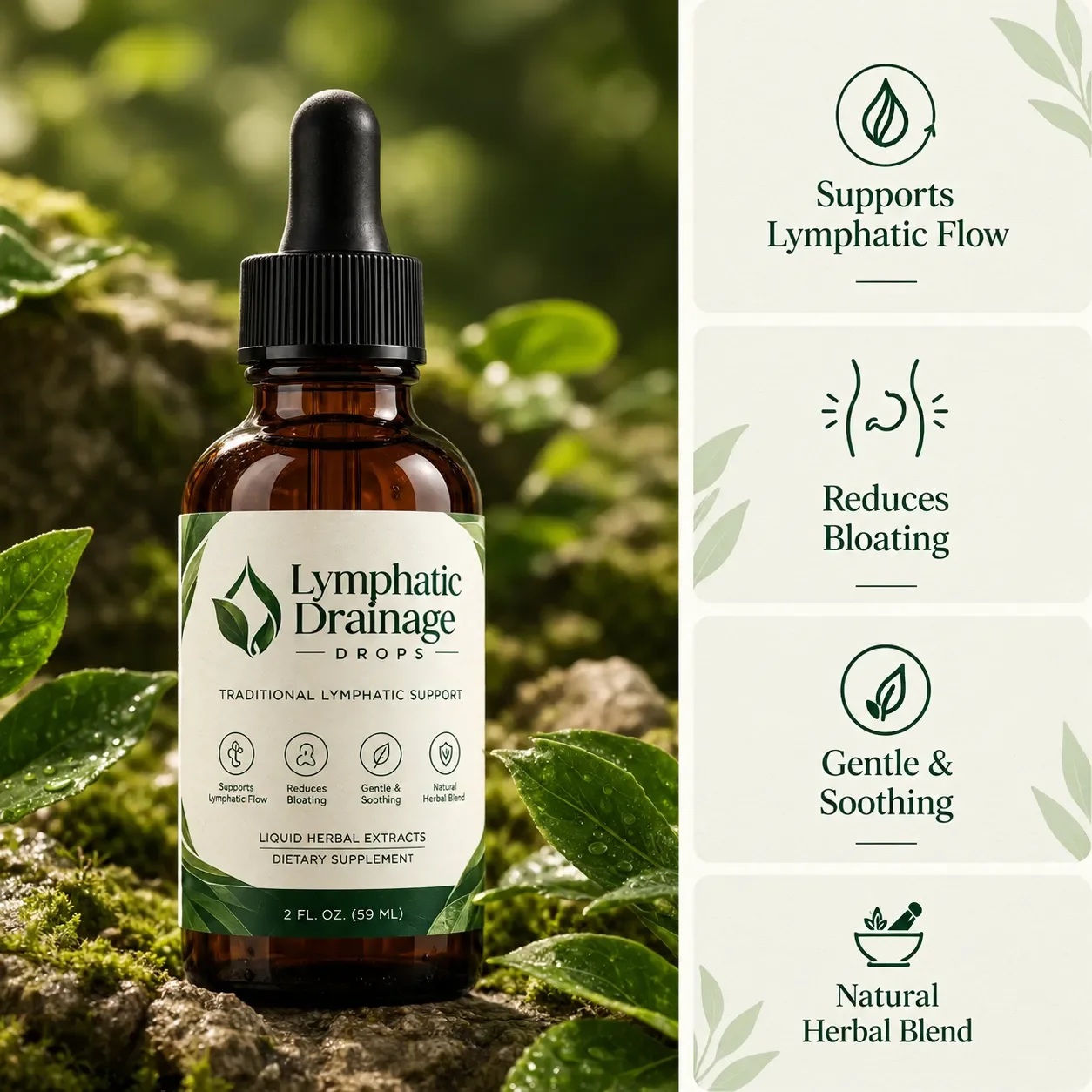
Most "lymphatic detox" lists skip safety warnings entirely. One that didn't flagged red root specifically: it has a mild blood-thickening effect and is worth avoiding, or checking with a doctor first, if you have a history of cardiovascular disease or take blood-thinning medication. We go deeper on red root here — it's one of the four herbs in our own formula, and it's exactly the kind of detail a "16 ways to detox" listicle tends to bury or skip.
Temporary Swelling vs. Lymphedema
Everything on this page is written for ordinary, temporary sluggishness — the kind tied to a long flight, a sedentary week, or mild dehydration. Lymphedema is a different, chronic medical condition involving a damaged or blocked lymphatic system, most often after cancer treatment or lymph node removal, and it needs a certified lymphedema therapist and a doctor, not a home routine. If swelling is persistent, one-sided, or shows up without an obvious cause, that distinction is the first thing to sort out with a physician before trying anything on this page.
Lymphatic Detox: Frequently Asked Questions
Can you actually detox your lymphatic system?
Not in the sense of flushing out toxins in a few days — the system already filters continuously. You can support how efficiently it works through movement, hydration, and breathing, which is a different claim than "detox" usually implies.
How long does it take to see a difference?
There's no studied timeline for "lymphatic detox" specifically, since it isn't a single measurable process. Habits like daily movement and hydration tend to show general effects — less puffiness, more energy — over one to a few weeks of consistency, based on how those mechanisms work generally, not a lymph-specific clinical trial.
What's the fastest way to support lymphatic flow?
Movement is the most directly mechanical option, since muscle contraction is the lymphatic system's only pump. Rebounding, walking, and swimming all apply here — there's no faster shortcut with equivalent evidence behind it.
Are lymphatic detox teas or supplements worth it?
Herbal ingredients like cleavers and red root have a long traditional-use history for lymphatic support, but they're not a "flush" and won't compensate for a sedentary routine. Treat them as one part of a broader habit stack, not a standalone fix.
Is lymphatic detox the same as treating lymphedema?
No. Lymphedema is a chronic medical condition that requires a certified lymphedema therapist and medical care. General lymphatic support habits are for ordinary, temporary sluggishness, not a substitute for treating a diagnosed condition.
Frequently asked questions
Can you actually detox your lymphatic system?
Not in the sense of flushing out toxins in a few days — the system already filters continuously. You can support how efficiently it works through movement, hydration, and breathing, which is a different claim than "detox" usually implies.
How long does it take to see a difference?
There's no studied timeline for "lymphatic detox" specifically, since it isn't a single measurable process. Habits like daily movement and hydration tend to show general effects — less puffiness, more energy — over one to a few weeks of consistency, based on how those mechanisms work generally, not a lymph-specific clinical trial.
What's the fastest way to support lymphatic flow?
Movement is the most directly mechanical option, since muscle contraction is the lymphatic system's only pump. Rebounding, walking, and swimming all apply here — there's no faster shortcut with equivalent evidence behind it.
Are lymphatic detox teas or supplements worth it?
Herbal ingredients like cleavers and red root have a long traditional-use history for lymphatic support, but they're not a "flush" and won't compensate for a sedentary routine. Treat them as one part of a broader habit stack, not a standalone fix.
Is lymphatic detox the same as treating lymphedema?
No. Lymphedema is a chronic medical condition that requires a certified lymphedema therapist and medical care. General lymphatic support habits are for ordinary, temporary sluggishness, not a substitute for treating a diagnosed condition.