Prickly Ash Benefits: The Smallest Dose in the Bottle, and Why It's There
Key takeaways
- Prickly ash covers two interchangeable species — Zanthoxylum americanum and Z. clava-herculis (used in our formula) — both nicknamed the "toothache tree."
- Real lab research exists: a 2003 study found MRSA growth inhibition, and a 2002 handbook noted chelerythrine's anti-inflammatory activity rivaling indomethacin — both lab findings, not clinical proof.
- Traditional tincture dosing disagrees by a factor of four between herbal references (1 mL vs. 2–4 mL, both 3x daily).
- It has more documented drug interactions than most lymphatic herbs — blood pressure medication, muscle relaxants, anticoagulants, and disulfiram-like reactions — which is part of why it's dosed lowest in a formula.
Prickly ash is the smallest dose in most lymphatic formulas — 65 mg in ours — used traditionally as a circulatory stimulant that brings blood flow to peripheral tissue rather than as a headline lymphatic herb on its own. Two North American species are sold interchangeably under the name, and traditional dosing between herbal references doesn't fully agree.
It's also one of the more interaction-prone herbs in a typical lymphatic formula, which is worth knowing before adding more of it than a formula already includes.
What Is Prickly Ash?
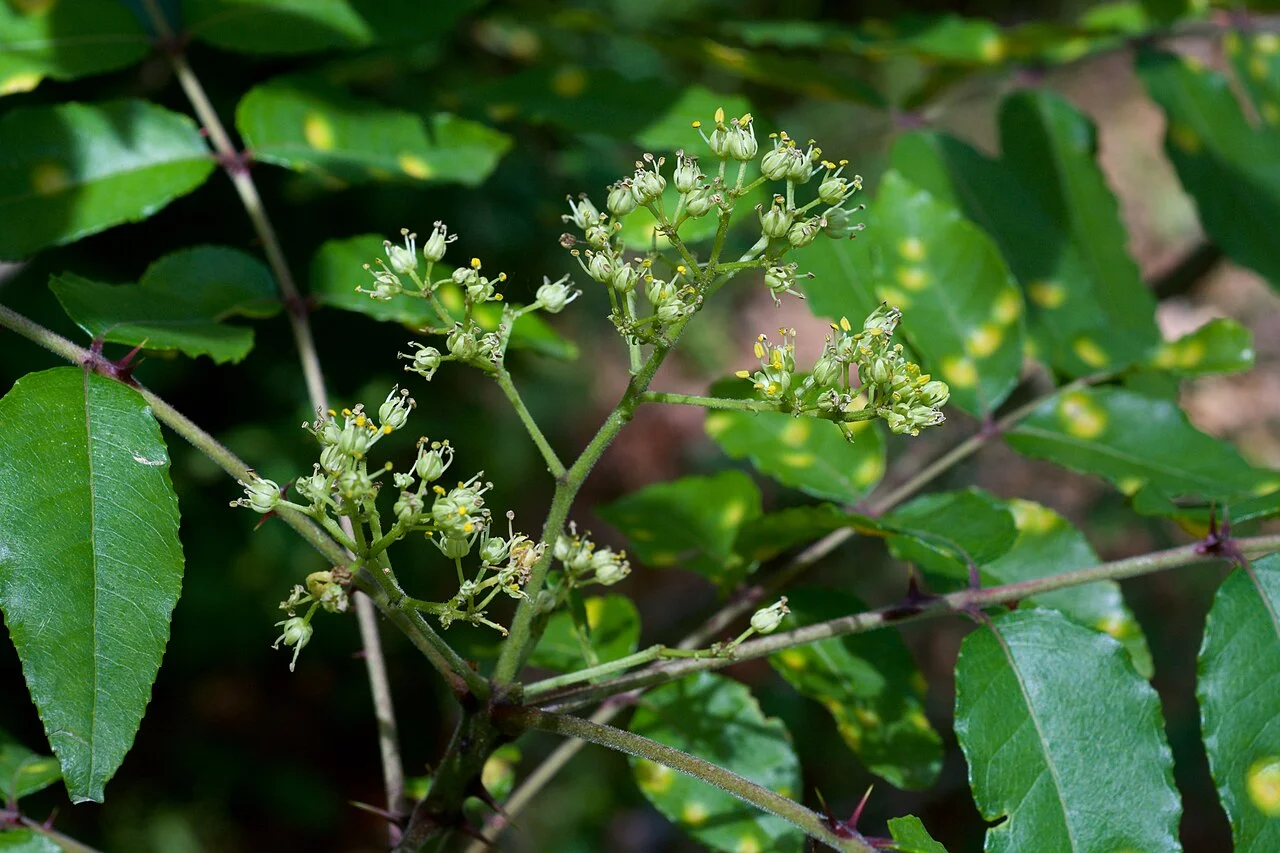
"Prickly ash" covers two related North American species, according to a detailed herbalist plant profile we reviewed: Zanthoxylum americanum, native to the northern and central U.S. and Canada, and Zanthoxylum clava-herculis — the species in our own formula — native to the southeastern U.S. Herbalists generally treat the two as medicinally interchangeable, though some sources consider the southern species slightly more potent. Both share the nickname "toothache tree," since chewing the bark produces a tingling numbness — the same active compounds behind its traditional use as a circulatory stimulant.
Indigenous communities used it long before it entered Eclectic medicine: the Chippewa used bark infusions for coughs and pulmonary complaints, the Ojibwa applied berry infusions to the chest for bronchial congestion, and Cherokee tradition used it to stimulate circulation and address fever accompanying illness.
What Real Research Shows
Most prickly ash content online repeats traditional-use claims without citing a specific study. Two do exist: a 2003 study by Gibbons and colleagues found that prickly ash extract inhibited growth of MRSA (methicillin-resistant Staphylococcus aureus) in lab testing, and pharmacognosist James Duke's 2002 handbook noted that chelerythrine, one of prickly ash's active compounds, showed anti-inflammatory activity comparable to indomethacin in laboratory research. Both are legitimate findings — and both are lab results, not evidence that a tincture treats an infection or inflammation in a person. They explain why herbalists reached for this bark long before either study existed, not a green light to self-treat a staph infection with it.
How Much Do You Actually Take?
Herbal references disagree here more than with most herbs in a lymphatic formula — one herbal medicine guide and the plant profile above land on noticeably different numbers for the same tincture.
| Preparation | Amount | Frequency |
|---|---|---|
| Tincture (source A) | 1 mL | Up to 3x daily |
| Tincture (source B) | 2–4 mL (1:5, 60%) | 3x daily |
| Tea decoction | 1–2 tsp dried bark or berries per cup, simmered 10–15 min | 3x daily |
That's a four-fold gap between the two tincture recommendations, from two separate herbal references, for the same herb. Our own formula sidesteps that disagreement with a fixed 65 mg per day — the smallest dose of the four herbs, and deliberately so: larger doses of prickly ash are associated with stomach discomfort, so it's included as a synergist rather than dosed up as a headline ingredient.
Tincture, Tea, or Chewing the Bark?
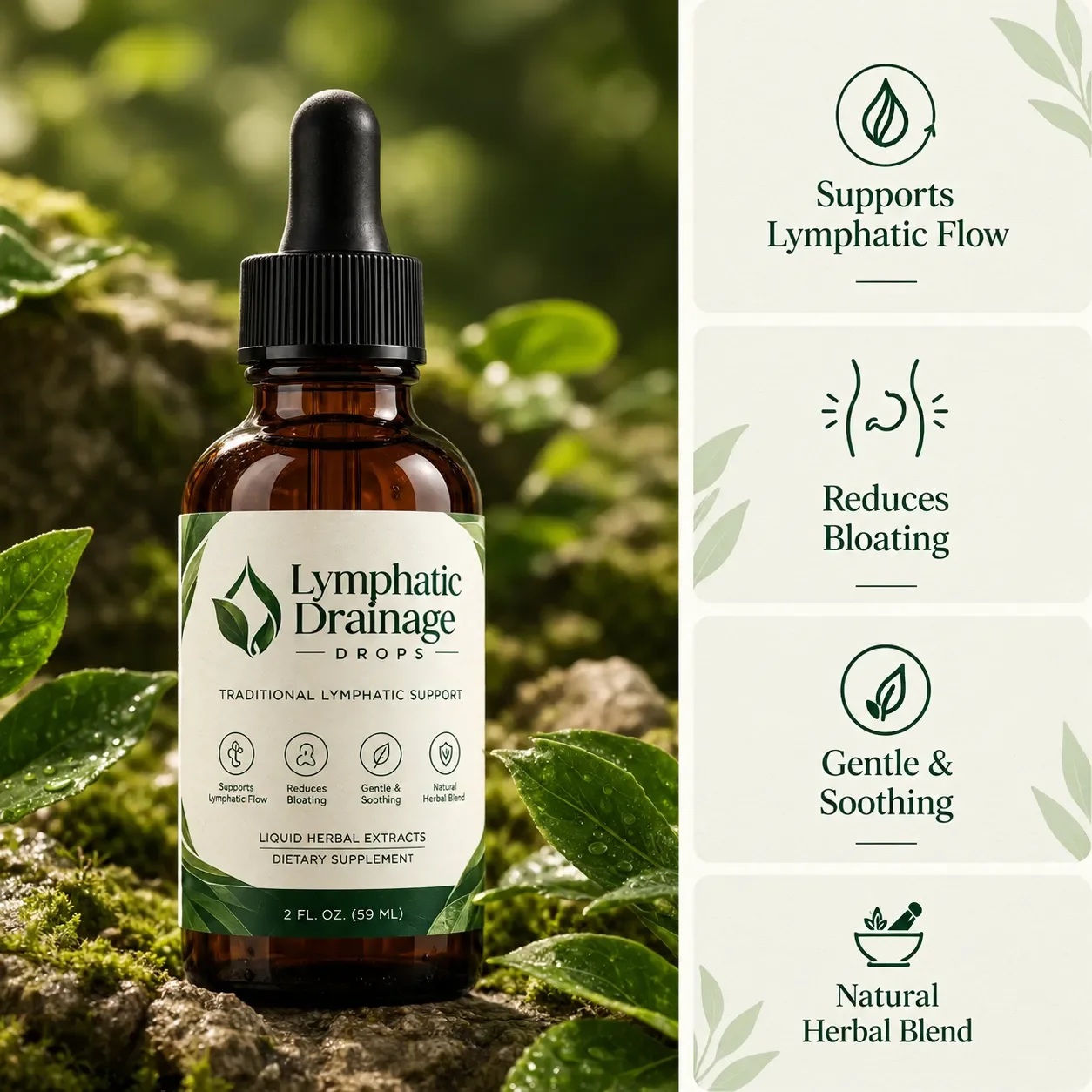
Prickly ash shows up in three traditional forms, and they're not interchangeable in strength or convenience. A tincture is the most concentrated and the easiest to dose precisely, which is why it's the form used in most formulated lymphatic products, ours included — the same reason a homemade tincture needs the right alcohol strength for a resinous bark like this one, closer to 70–90% ABV than the lower range that suits a leafy herb like cleavers. A tea decoction — simmered, not just steeped, since bark needs more heat and time than a leaf — delivers a milder dose and takes fifteen minutes of active preparation. Chewing the dried bark directly is the oldest documented use, aimed specifically at dental numbing rather than systemic effects, and it's a poor way to get a consistent dose of anything else the plant contains.
Who Should Be Careful with Prickly Ash
Prickly ash has more documented interactions than most herbs in this category. Avoid it during pregnancy, since it has emmenagogue properties (safety during breastfeeding is unstudied). It may increase the effect of blood pressure medication and muscle relaxants, may interact with anticoagulants and increase absorption of other narrow-margin medications, and has been associated with disulfiram-like reactions when combined with certain drugs — the same kind of reaction that makes alcohol unpleasant on a medication like metronidazole. It can also reduce iron absorption. Skip it if you have acute inflammation of the stomach or intestines, and stop if it causes heartburn, flushing, or night sweats. Anyone on regular medication, particularly blood thinners or blood pressure medication, should talk to a doctor before adding more prickly ash than what's already in a formulated product.
Prickly Ash: Frequently Asked Questions
What is prickly ash used for?
Traditionally, as a circulatory stimulant to bring blood flow to peripheral tissue, for dental pain (its numbing effect gave it the name "toothache tree"), and for digestive and rheumatic complaints. In lymphatic formulas, it's typically included as a synergist herb rather than the primary ingredient.
What's the difference between the two prickly ash species?
Zanthoxylum americanum grows in the northern and central U.S. and Canada; Zanthoxylum clava-herculis grows in the southeastern U.S. Herbalists treat them as medicinally interchangeable, though some consider the southern species slightly stronger.
How much prickly ash should I take?
Traditional references disagree — tincture recommendations range from 1 mL to 4 mL, up to three times daily, depending on the source. A formulated product with a fixed milligram dose (ours uses 65 mg/day) removes that ambiguity.
Does prickly ash interact with medications?
Yes, more than most herbs in this category. It may affect blood pressure medication, muscle relaxants, anticoagulants, and iron absorption, and has been linked to disulfiram-like reactions with certain drugs. Check with a doctor if you take regular medication.
Why is prickly ash the smallest dose in a lymphatic formula?
Larger doses are associated with stomach discomfort, so it's typically included as a supporting, or synergist, herb rather than dosed at the level of the formula's primary lymphatic herbs.
Frequently asked questions
What is prickly ash used for?
Traditionally, as a circulatory stimulant to bring blood flow to peripheral tissue, for dental pain (its numbing effect gave it the name "toothache tree"), and for digestive and rheumatic complaints. In lymphatic formulas, it's typically included as a synergist herb rather than the primary ingredient.
What's the difference between the two prickly ash species?
Zanthoxylum americanum grows in the northern and central U.S. and Canada; Zanthoxylum clava-herculis grows in the southeastern U.S. Herbalists treat them as medicinally interchangeable, though some consider the southern species slightly stronger.
How much prickly ash should I take?
Traditional references disagree — tincture recommendations range from 1 mL to 4 mL, up to three times daily, depending on the source. A formulated product with a fixed milligram dose (ours uses 65 mg/day) removes that ambiguity.
Does prickly ash interact with medications?
Yes, more than most herbs in this category. It may affect blood pressure medication, muscle relaxants, anticoagulants, and iron absorption, and has been linked to disulfiram-like reactions with certain drugs. Check with a doctor if you take regular medication.
Why is prickly ash the smallest dose in a lymphatic formula?
Larger doses are associated with stomach discomfort, so it's typically included as a supporting, or synergist, herb rather than dosed at the level of the formula's primary lymphatic herbs.