
Foods That Support Your Lymphatic System (and the Ones That Work Against It)
Key takeaways
- Berries, leafy greens, citrus, fatty fish, nuts/seeds, legumes, and water are the most consistently recommended foods across nutrition sources reviewed.
- No source we found cites a study testing a specific food against lymphatic drainage as an outcome — the reasoning is general anti-inflammatory benefit applied by association.
- Brazil nuts, capped at 3/day for selenium, is the one specific, sourced figure in this category; selenium is toxic above that range.
- A meaningful share of lymphatic tissue (GALT) surrounds the gut, which is the real mechanism behind fiber's reputation for lymphatic support.
Berries, leafy greens, citrus, fatty fish, and water top nearly every list of foods for lymphatic health we reviewed, credited with antioxidants, omega-3s, and potassium that support vessel health and fluid balance. What's missing from almost every one of those lists is a single cited study connecting any specific food to lymphatic drainage itself.
That doesn't make the advice wrong — most of it is standard anti-inflammatory nutrition that helps broadly. It does mean "supports your lymphatic system" is doing more marketing work than research citation in most of what's published on this.
What to Eat More Of
| Food group | Examples | Why it's recommended |
|---|---|---|
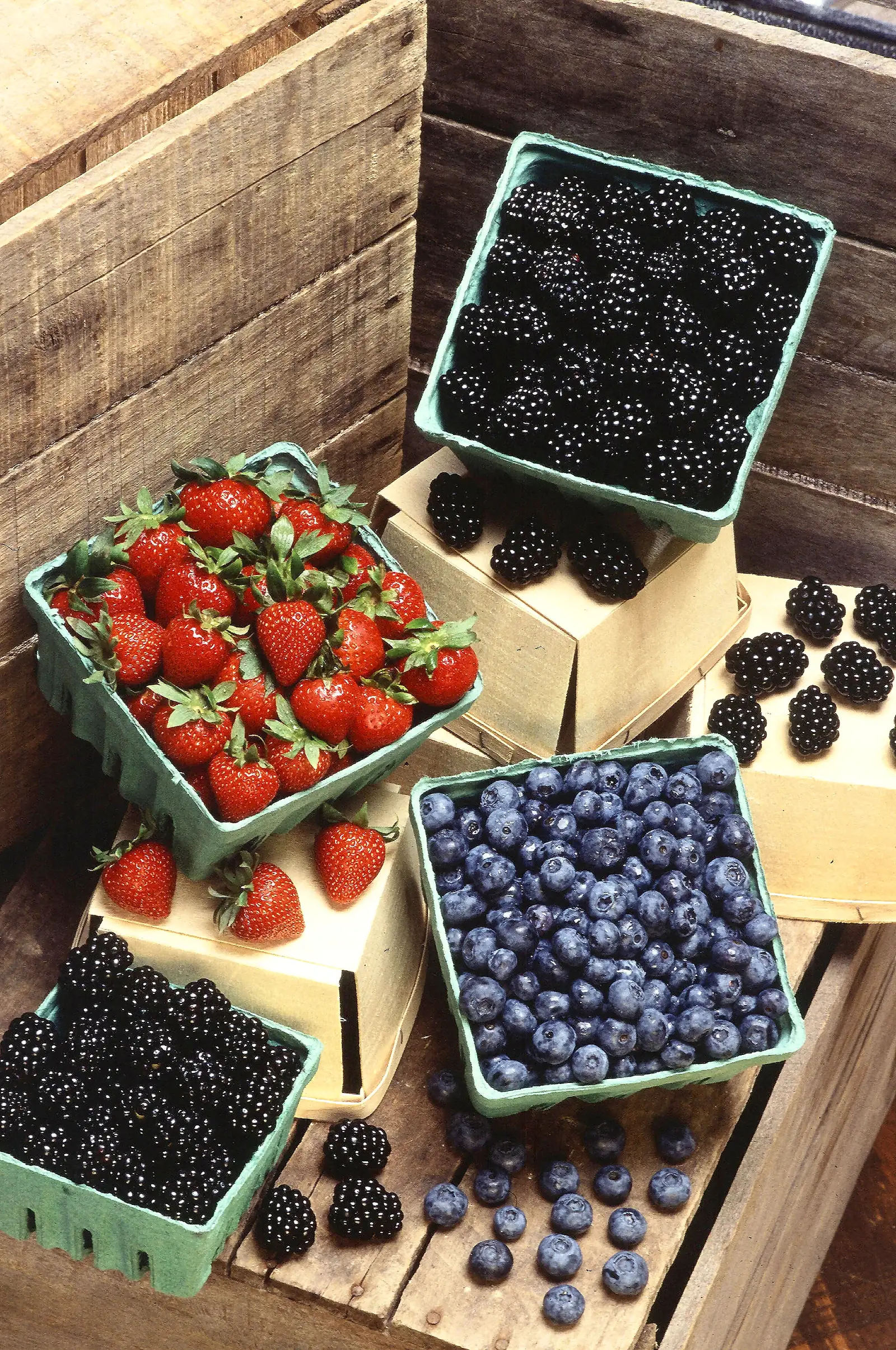
| Berries | Blueberries, strawberries, blackberries | Anthocyanins, linked to stronger vessel walls |
| Leafy greens | Spinach, kale, chard | Potassium and magnesium for fluid balance |
| Citrus | Oranges, lemons, grapefruit | Vitamin C for collagen production in vessel walls |
| Fatty fish | Salmon, mackerel, sardines | Omega-3s, linked to reduced inflammation |
| Nuts and seeds | Almonds, flaxseed, Brazil nuts (up to 3/day) | Magnesium, fiber, and selenium — Brazil nuts specifically for their selenium content |
| Legumes | Beans, lentils | Soluble fiber for vessel and cholesterol health |
| Water | Roughly 2 liters daily | Keeps lymph fluid moving rather than thick and sluggish |
What to Cut Back On
The "avoid" list is more consistent across the sources we compared than the "eat" list: excess sodium (drives water retention), refined sugar and high-fructose corn syrup, processed meats like hot dogs and cold cuts, starchy refined carbs (white bread, pasta, crackers), and — more specifically than most people expect — capping caffeine at one to two cups a day rather than cutting it entirely.
The One Named Study in This Category
Of everything reviewed for this piece, exactly one specific number keeps surfacing with an actual mechanism behind it: Brazil nuts, capped at three per day, for their selenium content, which has anti-inflammatory properties. Selenium is worth taking seriously as a cap, not just a recommendation — it's toxic at high doses, so three nuts a day is a ceiling, not a floor. Beyond that single specific figure, most of what's published in this space is standard anti-inflammatory nutrition advice, applied to lymphatic health by association rather than by a study that measured lymph flow against diet directly — the same association-not-proof gap we found across lymphatic detox claims generally.
Food vs. Herbs: Different Tools, Different Jobs
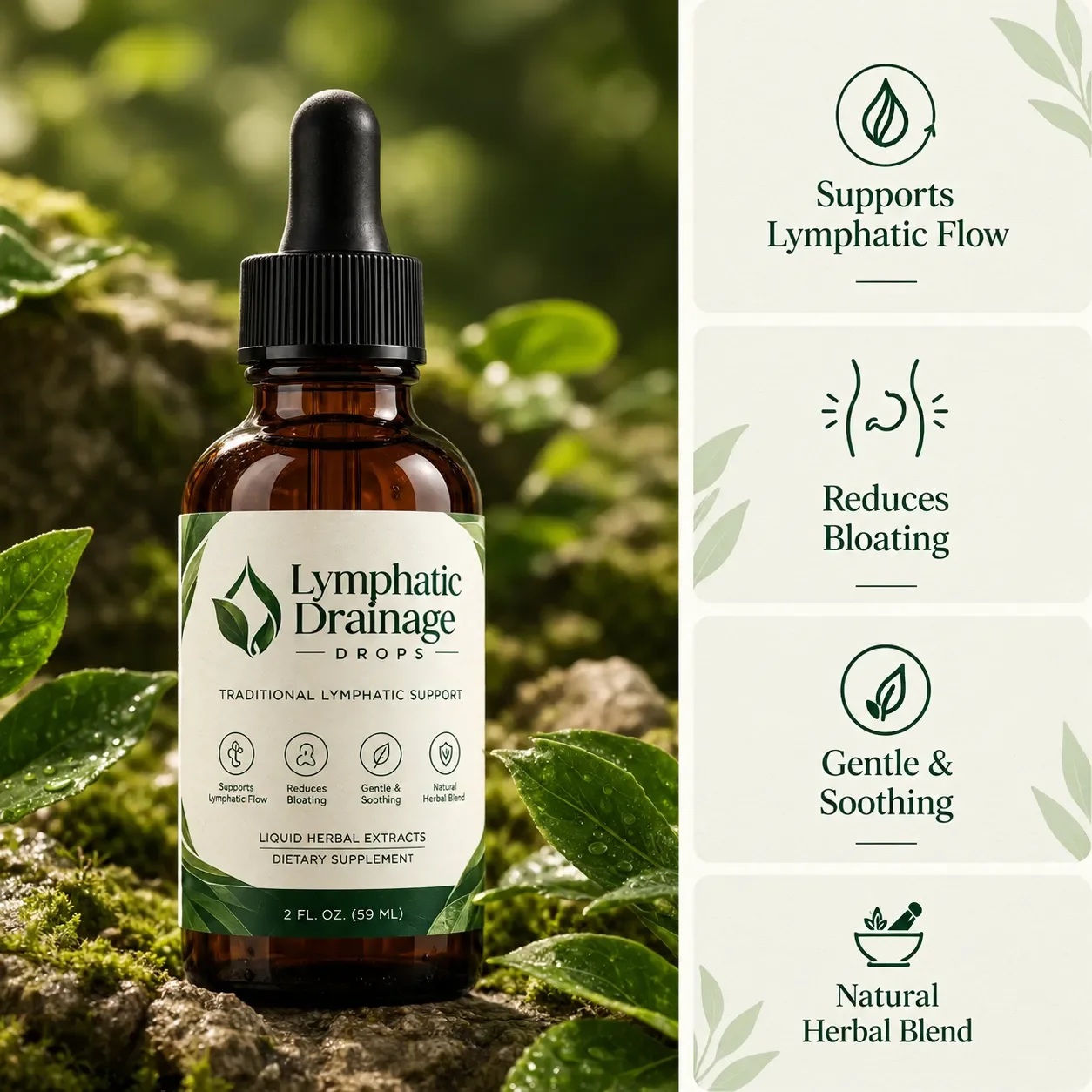
Food and herbal support work on different timelines and through different mechanisms, which is worth separating out. A diet shift changes your baseline nutrient and inflammation status gradually, over weeks of consistency, through dozens of small effects stacked together. An herb like cleavers is chosen and dosed for a specific traditional action on lymph flow itself, in a measured amount, every day. Neither replaces the other — a plate of spinach doesn't substitute for a disclosed dose of an herb bred into a formula for this exact purpose, and no herb compensates for a diet that's mostly sodium and refined carbs.
A Realistic Way to Start
Overhauling a full diet at once rarely sticks. A more realistic starting point: pick one swap from the "cut back" list that's easiest for your actual routine — trading soda for water, or cold cuts for a lean protein a few days a week — and add one item from the "eat more" list you'll actually keep eating, rather than trying to check every box in the table at once. Selenium and vitamin C matter, but consistency with two changes beats abandoning eight.
The Gut Connection Nobody Explains Well
A meaningful share of your lymphatic tissue — called GALT, gut-associated lymphoid tissue — sits around the digestive tract. Foods rich in inulin (garlic, onion, asparagus, banana) support the gut bacteria that tissue interacts with, which is the actual mechanism behind "fiber helps your lymphatic system," a claim that shows up often without the GALT explanation attached. It's a real anatomical link, not a stretch — it's just usually stated as a bare assertion instead of explained.
Where Food Fits Alongside Everything Else
Diet is one input among several — movement, hydration, and breathing do more of the daily work, and herbal support like cleavers or red root targets the system more directly than any single food choice. Eating well is worth doing for its own sake; treating it as a lymphatic fix on its own overstates what a diet change alone accomplishes.
Lymphatic-Supportive Foods: Frequently Asked Questions
What foods are best for lymphatic drainage?
Berries, leafy greens, citrus, fatty fish, nuts and seeds, legumes, and water appear most consistently across nutrition sources. Most of the reasoning is general anti-inflammatory and antioxidant benefit rather than lymph-specific research.
What foods should I avoid for lymphatic health?
Excess sodium, refined sugar and high-fructose corn syrup, processed meats, refined starchy carbs, and more than one to two cups of caffeine a day are the most consistently listed items to limit.
Do Brazil nuts really help the lymphatic system?
They're recommended specifically for selenium's anti-inflammatory properties, capped at up to three nuts a day — selenium is toxic at higher doses, so this is a ceiling, not a suggestion to eat more for a bigger effect.
Is there research linking specific foods to lymphatic drainage?
Not directly. Most recommendations draw on general research about inflammation, antioxidants, and vessel health, applied to lymphatic support by association. No major study we found tested a specific food against lymphatic flow as an outcome.
How does gut health connect to the lymphatic system?
A significant portion of lymphatic tissue (GALT) surrounds the digestive tract. Fiber and inulin-rich foods support the gut bacteria that tissue interacts with, which is the real mechanism behind fiber's reputation as broadly good for lymphatic health.
Frequently asked questions
What foods are best for lymphatic drainage?
Berries, leafy greens, citrus, fatty fish, nuts and seeds, legumes, and water appear most consistently across nutrition sources. Most of the reasoning is general anti-inflammatory and antioxidant benefit rather than lymph-specific research.
What foods should I avoid for lymphatic health?
Excess sodium, refined sugar and high-fructose corn syrup, processed meats, refined starchy carbs, and more than one to two cups of caffeine a day are the most consistently listed items to limit.
Do Brazil nuts really help the lymphatic system?
They're recommended specifically for selenium's anti-inflammatory properties, capped at up to three nuts a day — selenium is toxic at higher doses, so this is a ceiling, not a suggestion to eat more for a bigger effect.
Is there research linking specific foods to lymphatic drainage?
Not directly. Most recommendations draw on general research about inflammation, antioxidants, and vessel health, applied to lymphatic support by association. No major study we found tested a specific food against lymphatic flow as an outcome.
How does gut health connect to the lymphatic system?
A significant portion of lymphatic tissue (GALT) surrounds the digestive tract. Fiber and inulin-rich foods support the gut bacteria that tissue interacts with, which is the real mechanism behind fiber's reputation as broadly good for lymphatic health.