Looking for a Lymphoria Alternative? Here's What to Check First

Key takeaways
- Most people looking for a Lymphoria alternative are reacting to subscription billing, not formula failure.
- Lymphoria's formula uses cleavers, red clover, stillingia root, and prickly ash — named on the label, but not dosed per herb on the page we reviewed.
- Stillingia root is a documented skin/mucosal irritant at overdose per Memorial Sloan Kettering — avoid in pregnancy and lactation regardless of brand.
- The category has three real formats: single-herb tinctures, mass-market capsules, and targeted multi-herb drops.
- Give any new formula 3–4 weeks before judging it, and confirm one-time-purchase availability before checkout if billing was your original concern.
Before switching away from Lymphoria, check three things: what herbs the alternative actually contains (not just "lymphatic support" on the label), whether dosing is disclosed per herb, and whether the order is one-time or a subscription. Most people go looking for an alternative over the billing model, not because the herbs themselves failed.
That distinction matters, because it changes what you should actually be comparing. If billing is your issue, you need a one-time-purchase option. If it's the formula, you need to know what's different, herb by herb — and one of those herbs is worth understanding before you buy anything in this category.
Why do people look for a Lymphoria alternative in the first place?
Reading through public reviews, the reasons split into a few clear buckets. The largest, by far, is the subscription: unexpected renewal charges and a slow cancellation process are the single biggest driver of one-star reviews, as we found when we read through Lymphoria's Trustpilot history. A smaller group is looking for a different herb profile — either because a specific ingredient doesn't sit well with them, or because they want a formula built around a different set of traditional lymphatic herbs. And some are simply comparison shopping, since $30–$40 a bottle adds up on a recurring order, and it's worth knowing what else is out there before committing.
What's actually in Lymphoria's formula?
Lymphoria's drops are built around four herbs: cleavers, red clover, stillingia root, and prickly ash bark, in a vegetable glycerin and water base, dosed at 1 mL once or twice daily. On the product page we reviewed, those four herbs are named, but individual per-herb amounts aren't published alongside them — worth knowing if disclosed dosing matters to you, a point we cover in more depth in our guide to reading a supplement label.
Is stillingia root safe? What to know before buying any formula that contains it
This is the one ingredient in Lymphoria's formula — and in a number of other lymphatic blends on the market — worth understanding on its own, regardless of which brand you choose. Stillingia (Stillingia sylvatica, also called queen's delight) is a traditional Southern folk remedy for skin and glandular complaints, but Memorial Sloan Kettering's herb monograph is direct about it: there's no clinical evidence it treats any condition, and the fresh root contains diterpene esters that are documented irritants, causing everything from nausea and dizziness to skin eruptions in overdose. The fresh root is considerably more irritant than the properly dried and prepared root used in commercial tinctures, and clinical references specifically advise against use in pregnancy and lactation.
None of this means a properly dosed, commercially prepared stillingia tincture is dangerous at labeled doses — herbalists have used it this way for well over a century, and the toxicity data describes overdose and fresh-root exposure, not a 1 mL therapeutic dose. But it's exactly the kind of ingredient worth knowing about before you buy, especially if you're pregnant, nursing, or simply prefer to avoid irritant diterpene-ester herbs. It's also a big part of why we didn't put it in ours.
What should you check before choosing any alternative?
| Check | Why it matters |
|---|---|
| Every herb named, not just "proprietary blend" | You can't evaluate an ingredient you can't see |
| Dose per herb, not just a blend total | Tells you whether the active herb is present in a meaningful amount |
| One-time purchase option available | Avoids the subscription billing issue behind most negative reviews in this category |
| Contains stillingia root? | Not dangerous at labeled dose, but avoid if pregnant, nursing, or sensitive to irritant herbs |
| Third-party tested | Confirms potency and screens for contaminants independent of the manufacturer |
What kinds of alternatives actually exist?
The category breaks into three real options, not twenty near-identical bottles:
- Single-herb tinctures. A straight cleavers tincture, alcohol-based or glycerin-based, with no blend at all — the simplest way to know exactly what you're taking, typically the cheapest option in the category.
- Mass-market multi-herb capsules. Widely available at pharmacies and big-box retailers, usually a longer ingredient list (10+ herbs), convenient if you already take other capsules daily.
- Targeted multi-herb drops. A short list of 3–4 herbs at disclosed doses, positioned between the simplicity of a single herb and the everything-bagel approach of a 20-ingredient capsule. Ours falls here, and so does Lymphoria's.
How does our formula differ, herb for herb?
| Herb | Lymphoria | Us |
|---|---|---|
| Cleavers | Yes | Yes |
| Prickly ash | Yes | Yes |
| Red clover | Yes | No |
| Stillingia root | Yes | No |
| Red root (Ceanothus) | No | Yes |
| Calendula | No | Yes |
| Purchase options | One-time and subscribe-and-save both offered — check which is pre-selected before paying | One-time purchase, no subscription |
| Per-herb dose disclosed | Not on the page we reviewed | Yes |
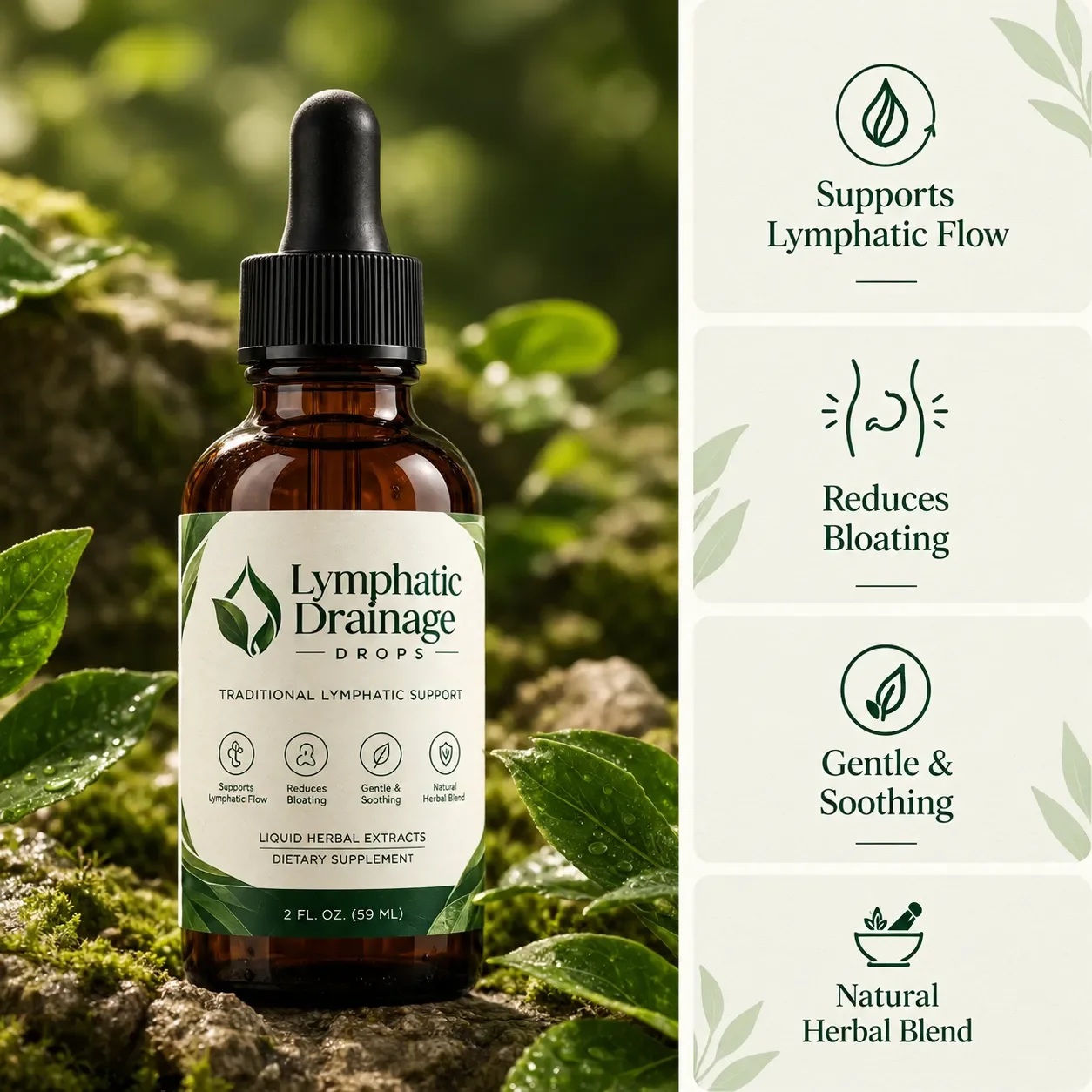
If red root's history interests you, we wrote about why it nearly disappeared from herbal medicine, and the full reasoning behind our four herbs — including the two traditional lymphatic herbs we left out — is in our ingredients breakdown.
A simple checklist for switching without regretting it
- Write down what actually bothered you about your last formula — billing, a specific herb, price, or availability — so you're solving the real problem, not just buying a different bottle.
- Check the new label for per-herb dosing before checkout, not after.
- Confirm it's a one-time purchase if a subscription was the original issue — look for that option explicitly, and check which option is pre-selected by default before you enter payment details.
- Give it the same 3–4 week window you'd give any herbal formula before judging it, rather than switching again after a few days.
- If you're pregnant, nursing, or on prescription medication, check the ingredient list against that specific situation — not just the marketing copy — before starting anything new.
Frequently asked questions
What does Lymphoria contain?
Cleavers, red clover, stillingia root, and prickly ash bark, in a vegetable glycerin and water base, at a 1 mL dose once or twice daily.
Is stillingia root safe?
At a properly dosed, commercially prepared tincture dose, it has a long history of herbal use. The fresh root and overdose amounts are documented irritants per Memorial Sloan Kettering's herb monograph, and it's specifically not recommended during pregnancy or lactation.
Is there a non-subscription alternative to Lymphoria?
Yes — look specifically for a one-time-purchase option at checkout, since many lymphatic drop brands, including Lymphoria, default to a subscription.
What's the biggest difference between lymphatic drop formulas?
Which four (or so) herbs they're built around, and whether the label discloses an amount per herb or just a blend total. Beyond that, most differences are format and price, not function.
Do I need to match every ingredient exactly when switching?
No. Most lymphatic formulas share one or two core herbs (commonly cleavers) and differ on the rest — what matters more is knowing what you're switching to, not replicating what you switched from.
Can I switch brands without a break in between?
Generally yes for herbal formulas at standard doses, but check for shared or conflicting ingredients first, and ask a doctor if you're on prescription medication.